
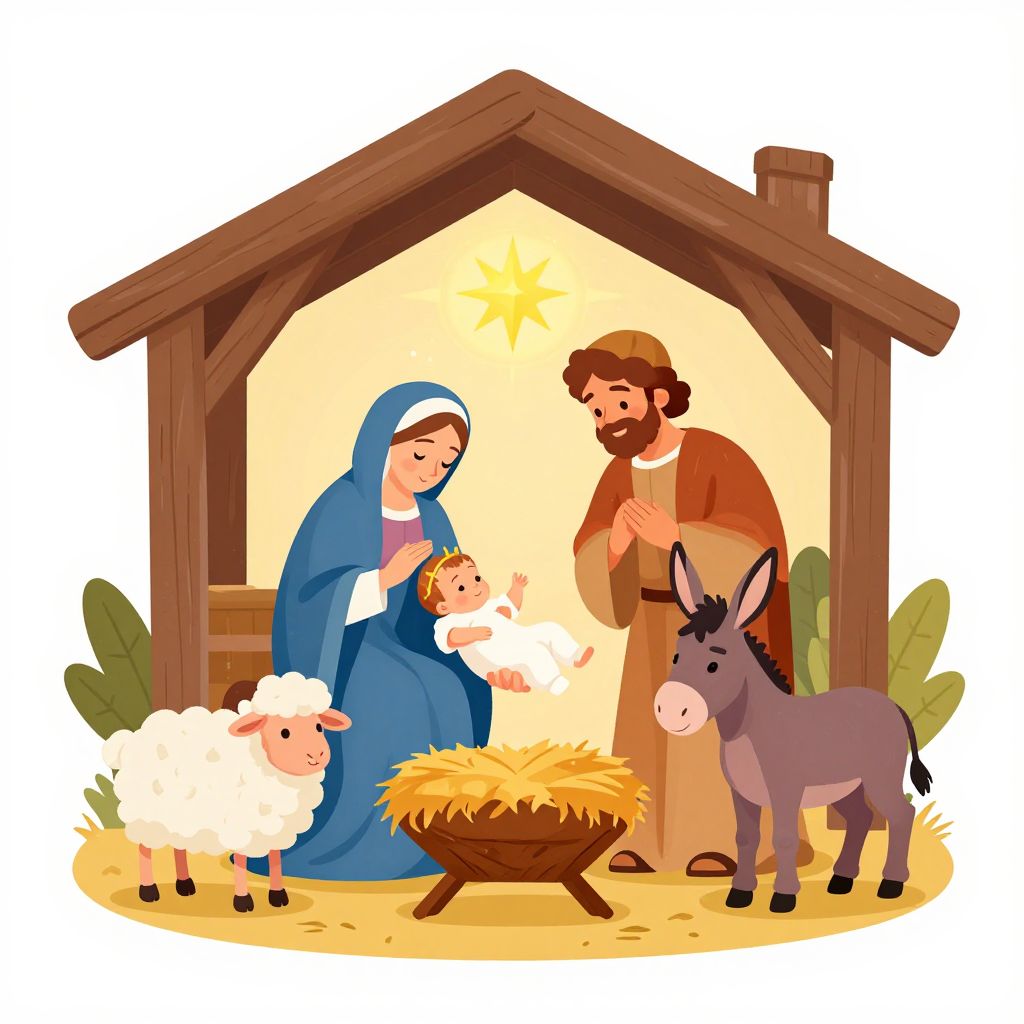
Do you ever wonder what happens when the holiday season draws near? The joy, the lights, the beautifully wrapped gifts all point to a deeper truth. Beneath the hustle and bustle, the Christmas story echoes through the ages, revealing God’s love incarnate in Jesus Christ. This article will guide you through the specific passages in Scripture that detail the Christmas story, showing not just where it is found but why it is essential for our faith.
Understanding the Christmas story requires us to look at the biblical texts that narrate Jesus’ birth, His purpose, and our response. This truth matters because it grounds our celebrations in a historical and spiritual reality rooted in God’s plan for humanity.
Where In The Bible Is The Christmas Story?
The Christmas story primarily unfolds in the Gospels of Matthew and Luke. Matthew 1:18-25 describes the angel’s proclamation to Joseph, while Luke 1:26-35 narrates the Annunciation to Mary. The account continues with the birth of Jesus in Luke 2:1-20, which includes the manger scene and the shepherds’ visit. These passages collectively form the heart of the Christmas narrative.
Key Matthew Passages
Matthew provides a genealogical connection to the Old Testament, establishing Jesus as the fulfillment of prophecy. In Matthew 1:1-17, a lineage connects Jesus to Abraham and David, showcasing God’s covenant promises.
In Matthew 1:18-25, the focus shifts to Joseph. An angel appears to him in a dream, affirming that Mary will give birth to the Savior. This passage confirms that Jesus’ birth fulfills Isaiah 7:14, which declares, “The virgin will conceive and give birth to a son, and they will call him Immanuel,” meaning “God with us.”
Key Luke Passages
Luke’s account begins with the announcement to Zechariah in Luke 1:11-20. This passage introduces John the Baptist, who prepares the way for Jesus. Following this, the angel Gabriel visits Mary in Luke 1:26-38, announcing that she will conceive Jesus by the Holy Spirit. Here, Mary responds with faith, embodying a willing heart to serve God’s purpose.
After Mary’s visit to Elizabeth, Luke 2:1-7 describes the birth of Jesus in Bethlehem. The setting—the humble manger—highlights the humility surrounding Christ’s entrance into the world. This moment reminds us that God often operates in unexpected ways.
Luke 2:8-20 recounts the shepherds receiving the angelic announcement of Jesus’ birth. They exemplify faith by immediately heading to visit the newborn King. The shepherds are the first to proclaim the news, emphasizing that God’s message of hope is for everyone, regardless of status.
Connecting the Christmas Story to Prophecy
To grasp the significance of the Christmas story, explore the Old Testament prophecies that foretold the Messiah’s coming. Isaiah 9:6-7 declares that a child will be born, and this verse highlights the definitive attributes of Jesus: Wonderful Counselor, Mighty God, Everlasting Father, and Prince of Peace.
Micah 5:2 specifically names Bethlehem as the birthplace of the Messiah. This prophecy is fulfilled in Luke 2:4-7, as Mary and Joseph travel to Bethlehem for a census.
Throughout the Old Testament, God’s faithfulness shines through these prophetic declarations. Such foresight reassures believers of God’s sovereign plan unfolding through history, leading to the arrival of Christ.
The Themes of Christmas in Scripture
The Christmas story invites reflection on several critical themes relevant to our lives today. Each theme draws us closer to understanding God’s character and our role in His story.
Hope
Hope resounds throughout these passages. From the prophecies of old to the angels proclaiming the good news, God instills hope amidst despair. The birth of Jesus signifies hope fulfilled—God stepping into humanity’s mess to save us.
Humility
Jesus’ humble beginnings challenge our notions of power and success. Born in a manger, He comes not as a conquering king but as a shepherd. This calls us to consider how we view our worth. Are we drawn to status, or do we find value in humility and service?
Joy
The shepherds’ joyful response embodies the spirit of the season. Luke 2:10-11 emphasizes that Jesus’ birth brings great joy to all people. How do we carry this joy in our lives? Do we reflect it to those around us, especially during challenging times?
Love
The Christmas story emphasizes God’s love for us. In sending His Son, God expresses His unwavering affection, inviting us into a relationship with Him. 1 John 4:9 beautifully encapsulates this truth: “This is how God showed his love among us: He sent his one and only Son into the world that we might live through him.”
Practical Faith Steps this Christmas
Experiencing the truth of the Christmas story requires intentionality. Consider these steps to deepen your faith during this sacred time of year:
- Reflect on the scriptures: Read through the nativity accounts in Matthew and Luke. Allow the Word to speak to your heart.
- Pray for understanding: Ask God to reveal more of His heart to you through the story of Christ’s birth.
- Share the story: Engage in conversations about the true meaning of Christmas with friends and family.
- Serve others: Find ways to demonstrate Christ’s love through service, embodying the humility and compassion shown in His birth.
- Worship authentically: Attend Christmas services or gatherings that celebrate Jesus’ arrival, focusing on His significance.
Encounters with Christmas
Our engagement with the Christmas narrative can change lives. The shepherds’ response illustrates an ideal—immediate action and testimony. They glorify and praise God for what they have heard and seen. How might sharing your faith impact others this season?
Throughout the New Testament, such encounters with Jesus lead to transformation. When people encounter God’s plan, the results are profound. Just as the shepherds went back glorifying God, our lives should emanate that same celebration of Christ.
What Does Christmas Mean to You?
Amid all the festivities, pause to consider: What does Christmas mean to you personally? Reflect on this question, allowing the significance of Jesus’ birth to transform your understanding of the season.
Does it stir a sense of wonder? Does it move you to gratitude? As the year draws to a close, remember that embracing Christ’s birth has a lasting impact beyond December.
Conclusion
The Christmas story is rich with meaning and purpose. It invites us into the heart of God’s redemptive plan. As we look back on the prophecies fulfilled through Jesus’ birth, we see God’s faithfulness and love unfurling across generations.
This season holds a call to action, to celebrate and share the good news as the shepherds did. Pray for the courage to live out the implications of Christmas every day of the year. Engage with the Scriptures, reflect on their truths, and allow the story to mold you into a living testament of Christ’s love.
Explore more faith-based topics and articles on our site. Learn about why Jesus was sent to Earth or find out how old Jesus was when He died. Each exploration leads to a deeper understanding of the faith we celebrate during Christmas and beyond.