
Have you ever wondered where the heart of America’s Christian community lies? Many people refer to it as the Bible Belt. This region is known for its strong evangelical presence and commitment to biblical principles. Understanding where the Bible Belt is, why it matters, and what it means for faith can deepen your spiritual walk.
The Bible Belt primarily covers the Southern United States, characterized by high levels of church attendance and Christian belief. This article will explore the geographical, cultural, and spiritual significance of the Bible Belt to help you define your spiritual landscape.
Where Is The Bible Belt?
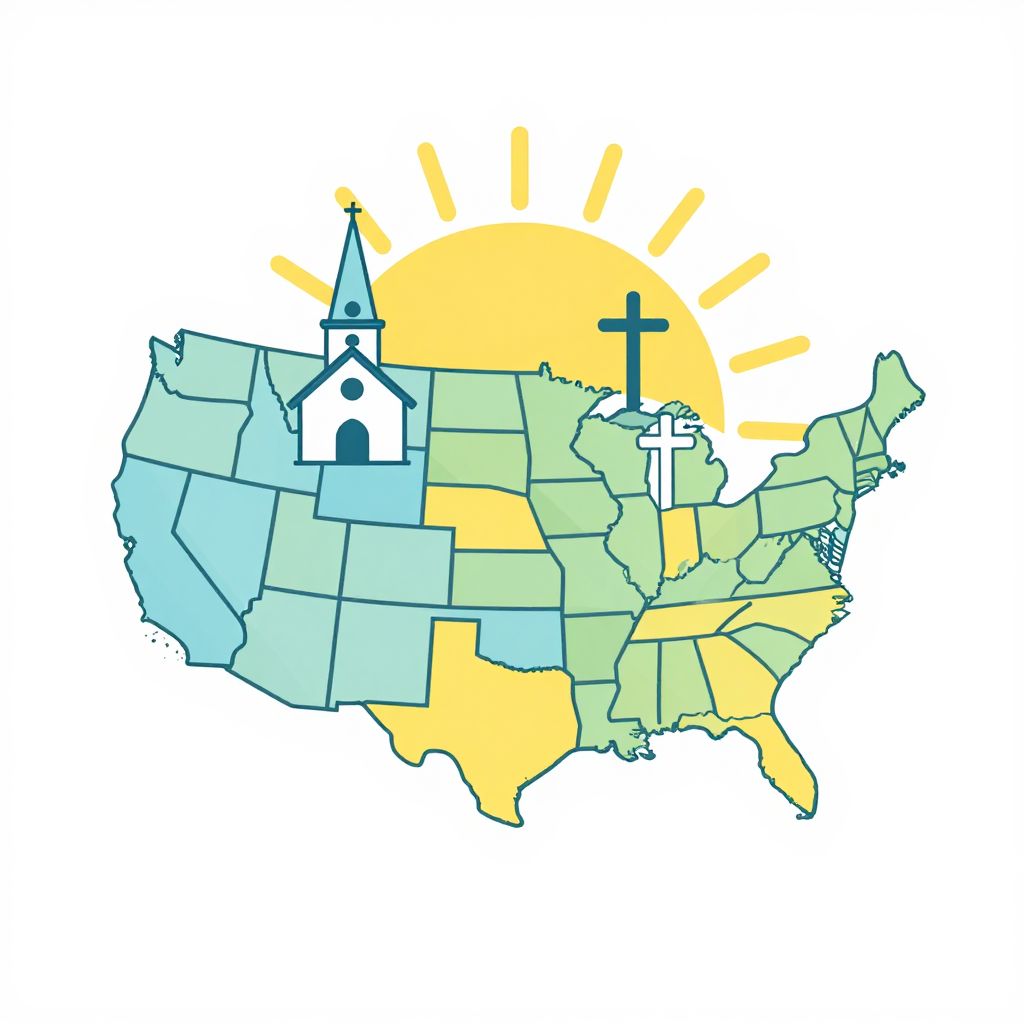
The Bible Belt typically includes states such as Texas, Oklahoma, Arkansas, Louisiana, Alabama, Mississippi, Tennessee, Kentucky, and parts of the Carolinas and Georgia. This area is marked by a cultural emphasis on Christianity and evangelicalism, with many residents actively participating in church life.
Cultural Characteristics
The Bible Belt represents a unique cultural identity in America. Its influence extends beyond just geography; it shapes the way people think, communicate, and relate to God. Societal norms in these regions often align closely with conservative Christian values.
Religious Activity
Churches in the Bible Belt experience higher attendance figures, with many towns hosting multiple congregations. Sunday services are central to community life, and religious events often dominate the calendar. Faith-based organizations often play an essential role in supporting families and serving those in need.
Evangelical Influence
Evangelical Christianity thrived in the Bible Belt. Many individuals emphasize personal relationships with Jesus Christ, prioritizing Bible study, worship, and evangelism. This focus profoundly impacts societal values, emphasizing the importance of family, morality, and community support.
The Spiritual Significance of the Bible Belt
Understanding the Bible Belt also calls attention to the spiritual climate within this region. God’s presence often feels tangible among believers, providing warmth and connection. Examining spiritual practices in this area can inspire your walk with Christ.
Prayer and Community
Prayer forms the backbone of many churches in the Bible Belt. Congregations regularly gather for prayer meetings, seeking God’s guidance and will. The communal aspect of prayer helps strengthen relationships and fosters unity among believers.
Bible Study and Discipleship
Churches emphasize Bible study as a tool for discipleship. Sunday schools, Wednesday night studies, and small groups allow individuals to dive deeply into Scripture. This consistent engagement nurtures spiritual growth, encouraging individuals to apply biblical truths to their lives. Have you made time to study God’s word in a community setting?
Role of Music and Worship
Music often plays a substantial role in worship services. Churches in the Bible Belt frequently engage in congregational singing, celebrating faith through traditional hymns and contemporary praise songs. This style of worship fosters an atmosphere of joy and connection, allowing attendees to express their faith collectively.
Challenges Faced by the Bible Belt
No geographic region is without its struggles. The Bible Belt faces challenges that believers must acknowledge and address. Challenges can help us grow stronger in faith.
Reputation and Stereotypes
The Bible Belt sometimes encounters negative stereotypes. People may view it as overly judgmental or resistant to change. Recognizing these perceptions is crucial, as they can impact relationships and outreach efforts.
Spiritual Apathy
Despite high church attendance, spiritual apathy can develop. Some individuals may attend services out of obligation rather than genuine desire for a relationship with Christ. This complacency poses a challenge for church leaders who strive to cultivate an authentic faith community.
Missional Focus
The Bible Belt holds opportunities for outreach and ministry. However, it must not overlook the call to missions within its own borders. Engaging with people from diverse backgrounds and lifestyles helps counteract cultural insularity. What steps can you take to extend the love of Christ to those outside your immediate community?
Living Out Faith in the Bible Belt
Being part of the Bible Belt means living out faith amidst both blessings and challenges. Believers have unique opportunities to grow deeper in their relationship with God and reach others with the gospel.
Evangelism
Evangelism should be a constant part of life in the Bible Belt. Share personal testimonies and invite others to church. Build relationships with those who are lost, demonstrating love and grace.
Service and Charity
Engaging in local service projects helps meet community needs. Volunteer at food banks, support shelters, or participate in mission trips. Serving others fosters a heart of compassion and reflects Christ’s love to those around you.
Discipleship and Mentoring
Consider engaging in mentoring relationships. Discipling others helps promote spiritual growth. Partnering with someone on their faith journey creates meaningful accountability and encourages deeper understanding of Scripture.
Conclusion
Recognizing where the Bible Belt is invites a deeper reflection on faith and community involvement. By engaging with the unique spiritual culture found in this region, you can inspire both personal growth and communal outreach. Seek God’s guidance as you navigate your faith journey and extend His love within and beyond the Bible Belt.
If you’re interested in exploring more faith-based topics, check out Bible Truth For Today for valuable insights. You may also want to learn about the relationship between Judaism and Christianity through insightful articles like if Jesus was Jewish, why is there Christianity? Each resource offers opportunities to deepen your understanding of God and His word.