
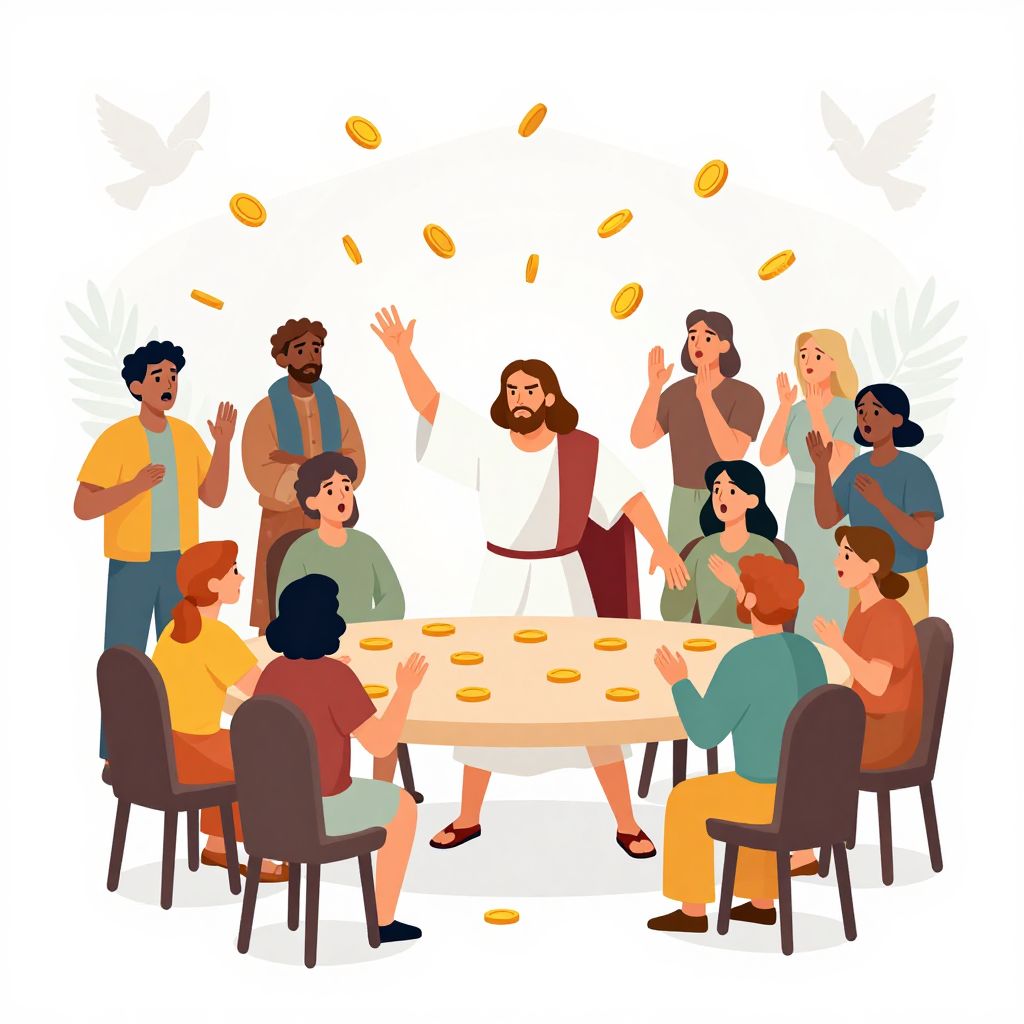
Do you ever feel overwhelmed by the distractions in your life? The noise of everyday activities can drown out the still small voice of God. Clarity often comes when we step back to examine what truly matters to our spiritual journey.
Jesus flipping tables in the temple signals a profound message about purity, purpose, and the importance of true worship. Understanding His actions can inspire a deeper relationship with God and challenge us to evaluate what occupies our hearts.
Why Did Jesus Flip Tables?
Jesus flipped tables to confront the corruption and commercialization of worship in the temple. This act was a powerful statement against the exploitation of faith for profit, calling God’s people back to genuine worship.
The Context of the Temple
The events occurring in the temple during Jesus’ ministry serve as a backdrop to understanding His actions. The temple held deep significance as the dwelling place of God; it was where sacrifices occurred and prayers ascended.
In John 2:13-16, we see Jesus arriving at the temple during the Passover, witnessing merchants selling animals and money changers conducting business. This scene contrasted sharply with the intended purpose of the temple, which was a house of prayer. Have you ever felt that your place of worship was more focused on procedures than on God’s presence?
The Corruption of Worship
The commercialization of faith led to exploitation. People traveled from great distances to offer sacrifices, and this created an opportunity for merchants to sell animals at inflated prices.
In Luke 19:46, Jesus quotes Isaiah: “My house shall be called a house of prayer, but you have made it a den of robbers.” His words reveal God’s desire for the temple to be a sacred space rather than a marketplace. Are there moments in your faith practice where God feels distant, as if the reason has shifted from worship to routine?
The Zeal of Jesus
Jesus’ actions reflected His zeal for God’s house. In John 2:17, His disciples recalled the scripture, “Zeal for your house will consume me.” This passion reveals the deep care Jesus had for the sanctity of worship.
Jesus wasn’t merely expressing anger; He was embodying God’s passionate desire for purity in worship. His righteous anger points to the need for followers to evaluate their own worship practices. What might He reveal about the state of your heart when you approach Him in prayer?
The Significance of Righteous Anger
Righteous anger holds a vital place in the life of a believer. Jesus displayed anger in the face of injustice but never sinned in His response. This teaches us that anger can be appropriate when it is directed at wrongdoing.
In Ephesians 4:26, Paul encourages, “In your anger do not sin.” Jesus modeled this perfectly by addressing sinners without compromising His character. How can you express your frustrations in ways that honor God while seeking justice and truth?
Implications for Contemporary Worship
Jesus flipping tables poses important questions for modern believers. Is our worship authentic? Are our church practices aligned with God’s purpose?
Today, many churches can fall into the trap of prioritizing entertainment over genuine worship. Jesus challenges us to examine whether our services focus more on performance than on the presence of God. What elements of worship serve as distractions in your community?
Identifying Distractions
Modern distractions can cloud our worship experience. Consider the following points to assess your church environment:
- Are the church’s activities driven by financial goals rather than spiritual growth?
- Is the gospel message clear, or are presentations overshadowing the essentials of faith?
- Does worship evoke a response to God, or merely entertain?
As you reflect on these questions, invite God to reveal any distractions that hinder true worship in your life.
Returning to the Heart of Worship
The striking image of Jesus in the temple signals a call back to sincerity and reverence in worship. His actions remind us that true worship involves more than rituals; it demands a heartfelt relationship with God.
In Matthew 15:8, Jesus notes, “These people honor me with their lips but their hearts are far from me.” He desires our hearts to be engaged and aligned with His. Is your worship merely routine, or are you experiencing a transformation in your heart?
Practical Steps for Authentic Worship
Reconnecting with God in worship requires intentionality. Here are some practical steps:
- Engage in personal reflection: Set aside time to ask God what worship means to you.
- Pray for clarity: Seek God to help you discern any distractions from genuine worship.
- Participate actively: When attending worship, focus on engaging with God, not just observing.
As you walk through these steps, open your heart to how authentic worship can transform your relationship with God.
The Offer of Forgiveness
Jesus flipping tables was not just about condemnation; it revealed an invitation to return to God. His actions called for repentance and a redirection toward worship.
In John 3:17, Jesus states, “For God did not send his Son into the world to condemn the world, but to save the world through him.” Even in moments of rebuke, a pathway to grace remains. How might you respond to this offer of forgiveness in the areas of your life where distraction has taken root?
The Power of Repentance
Repentance is a turning back to God. Jesus’ table-flipping actions pointed to the need for God’s people to return to true worship. The act of repentance restores our relationship with God and informs our everyday lives.
In Acts 3:19, Peter encourages, “Repent, then, and turn to God, so that your sins may be wiped out.” Accepting God’s grace strengthens our ability to worship authentically. What areas of your heart is God calling you to surrender fully to Him?
Living Out True Worship Daily
True worship extends beyond Sunday services. It calls believers to embody worship in everyday actions and attitudes.
In Romans 12:1, we are urged to present our bodies as living sacrifices, holy and pleasing to God. This holistic view of worship transforms our daily lives into acts of devotion. How can you develop a lifestyle of worship that reflects your faith every day?
Integrating Worship Into Daily Life
Cultivating a life of true worship involves integrating faith into daily activities:
- Start each day with gratitude and prayer, dedicating your plans to God.
- Seek opportunities to serve those around you, displaying God’s love practically.
- Engage with Scripture regularly, allowing it to shape your thoughts and actions.
What specific step can you take today to commit your day to God in worship?
The Hope for Restoration
Jesus flipping tables ultimately reveals God’s hope for restoration. He seeks a community of believers who genuinely worship Him in spirit and truth.
In John 4:24, Jesus emphasizes, “God is spirit, and his worshipers must worship in the Spirit and in truth.” True worship arises from our transformed hearts, freed from distractions and focused on God.
How does God’s desire to restore your heart to a place of genuine worship resonate with you today?
The Beauty of Community Worship
While personal worship is crucial, gathering with fellow believers amplifies our worship experience. Hebrews 10:24-25 encourages us not to neglect meeting together to encourage one another.
Engaging in corporate worship allows us to witness the diverse expressions of faith and reminds us that we are part of a larger body of Christ. Take a moment to consider how your participation in community worship can strengthen your faith journey.
Conclusion
Jesus flipping tables serves as a reminder for believers to prioritize genuine worship above all else. His actions call us to examine our lives and cultivate a heart that honors God.
Reflect on the distractions you may face and pray for the strength to return to the heart of worship. Embrace His invitation to authentically worship in every aspect of your life.
As you explore your faith, consider delving deeper into related themes. You may find value in articles like Why Did Jesus Weep Over Jerusalem and Why Was Jesus Sent to Earth. Each topic invites further reflection and encourages growth in your spiritual journey.