
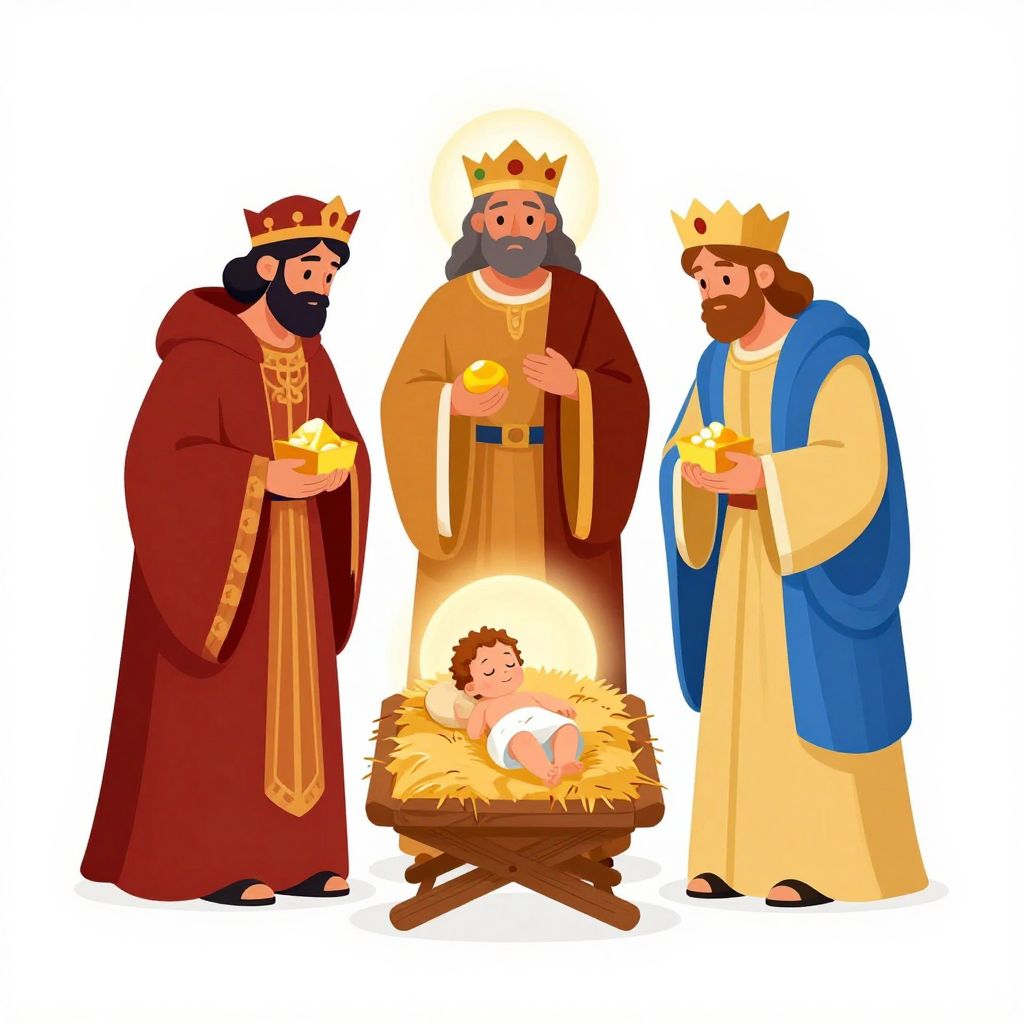
Have you ever wondered about the details surrounding the birth of Jesus? The moment the Wise Men arrived is often a topic of intrigue. Understanding how old Jesus was when they came not only deepens our grasp of this pivotal moment but enriches our understanding of God’s timing and providence in our lives.
This article explores the timeline of Jesus’ early life, particularly focusing on his age when the Wise Men visited. Anchoring this exploration in Scripture helps reveal the nuances of God’s plan and why these moments matter to our faith.
How Old Was Jesus When The Wise Men Came?
Jesus was likely between 1 and 2 years old when the Wise Men, also known as the Magi, arrived in Bethlehem. The scriptural basis for this conclusion comes primarily from Matthew 2:1-16, where the events are chronicled with specific attention to timing and context.
Understanding the Biblical Timeline
The Gospel of Matthew provides the clearest account of the Wise Men’s visit. In Matthew 2:1, it states, “After Jesus was born in Bethlehem in Judea, during the time of King Herod, Magi from the east came to Jerusalem.” The wording “after Jesus was born” suggests a period of time had passed since his birth.
This detail prompts us to ask: how long after Jesus’s birth did the Wise Men arrive? In Matthew 2:7, Herod calls the Magi to find out the exact time the star appeared. His actions later aim at eliminating any threat from Jesus, indicating concern over a child who could resemble a rival to his throne.
When Was Jesus Born?
To understand Jesus’ age, we first need to pinpoint his birthdate. Most scholars agree that Jesus was likely born around 4 to 6 B.C. based on historical references to Herod’s reign. In Luke 2:1-7, we read about how Mary and Joseph traveled to Bethlehem due to a census. This historic census provides a backdrop that situates Jesus’s birth within a specific timeframe.
So, if Jesus was born around 4 to 6 B.C., he would have been approximately 1 to 2 years old by the time the Magi visited, which aligns with Matthew’s account where Herod orders the slaughter of infants aged two and under in Bethlehem.
Scriptural Evidence for Timing
We can further confirm the idea of Jesus’ young age by examining Herod’s decree as mentioned in Matthew 2:16. “When Herod realized that he had been outwitted by the Magi, he was furious, and he gave orders to kill all the boys in Bethlehem and its vicinity who were two years old and under.”
This decree suggests that the time frame for the Magi’s visit is indeed around the time Jesus was 1 to 2 years old. The need for such a broad cutoff points to the need to eliminate any potential claimants for the throne.
The Role of the Magi
The Magi, or Wise Men, come from the East, which many believe refers to areas like Persia or Babylon, places steeped in astrology and ancient knowledge. Their arrival signifies a recognition of Jesus’ significance beyond just the local community.
The gifts they bring—gold, frankincense, and myrrh—speak to Jesus’ identity. Gold represents his kingship, frankincense highlights his divinity, and myrrh foreshadows his suffering and death. Each gift carries profound meaning that speaks to the essence of Christ’s mission.
Why Does Jesus’ Age Matter?
Understanding the age of Jesus at the time of the Wise Men’s visit offers more than just historical insight; it provides spiritual richness. Jesus, although still an infant, was recognized by wise and learned men from distant lands as the King and Savior.
This recognition leads us to reflect: do we acknowledge Christ’s authority in our lives today? Even as a young child, Jesus was positioned to fulfill God’s redemptive plan for humanity. This truth invites us into deeper faithfulness.
Reflecting on God’s Timing
God’s timing is often a theme throughout Scripture. It can feel perplexing at times, similar to the wait the Magi endured. The journey of the Wise Men illustrates preparation and anticipation; they searched with devotion to find the Savior. Are we willing to seek Jesus with the same fervor, understanding that His timing may not align with our expectations?
In Galatians 4:4, we read, “But when the set time had fully come, God sent his Son.” This verse emphasizes that God orchestrates events according to His divine schedule, underlining that all of history culminates in Christ.
The Importance of Following Through
Once the Magi discovered Jesus, they worshipped him. Their response is essential because it reflects both reverence and acknowledgment of Christ’s supremacy. Worship often leads to action; the Magi followed a different route home to prevent Herod from locating Jesus.
This decision prompts a poignant question: how do we respond after we encounter Christ? Do we allow our lives to be transformed by this encounter, taking different paths than we might have beforehand?
Practical Applications of Jesus’ Early Life
The early years of Jesus’ life, including the visit of the Wise Men, teach us valuable lessons about faith, worship, and commitment. Each aspect calls for practical applications in our daily walk with Christ.
Lessons on Faith and Seeking
The Magi’s pilgrimage serves as a model for how to pursue God faithfully, regardless of circumstances. Their willingness to travel great distances in search of truth raises the question: how can we actively seek to know God better? Consider pursuing God through regular prayer and dedicated time in the Word.
Faith manifests in taking steps, even when the journey appears unclear. Hebrews 11:6 reminds us, “And without faith, it is impossible to please God.” How are we exercising our faith in the midst of uncertainty?
Worship as a Response
Worship forms a critical part of our relationship with God. The Magi exemplified true worship: they came prepared with gifts, acknowledging Christ’s lordship. Their actions challenge us to reflect: how can we offer ourselves as living sacrifices in worship today? Romans 12:1 encourages this very submission, as we devote our lives in response to God’s goodness.
Consider engaging in worship through acts of service, through teaching others about Christ, or even through generosity. Each act reflects our reverence and love for our Savior.
Being Vigilant Against Distractions
The Magi’s choice to return home via a different route shows wisdom in avoiding potential pitfalls. Herod’s intentions were not aligned with God’s plan. In our lives, there are distractions and influences that can lead us away from God’s purposes. Are we vigilant about the voices we allow to influence us?
Staying grounded in Scripture and seeking wise counsel in the community of faith helps to navigate these distractions. Proverbs 4:23 reminds us, “Above all else, guard your heart, for everything you do flows from it.”
Final Reflections on Jesus’ Birth Narrative
The account of Jesus’ early years, including the visit from the Wise Men, offers profound insights into God’s plan for redemption. Jesus was a child of humble beginnings yet recognized as the King of Kings. This paradox welcomes us to contemplate our own lives and the roles we play in God’s story.
As we reflect on how old Jesus was when the Wise Men came, it’s essential to remember that God’s plans span generations, often involving waiting, faith, and worship. Every detail matters in His grand design revealed in Scripture.
A Call to Action
Take a moment to reflect on your journey of faith. Consider how the Magi’s response can inspire your worship and commitment. Spend time in prayer, acknowledging areas where distraction may be leading you away from God. Seek ways to engage with Scripture actively.
As we learn from those who sought Jesus, may our hearts earnestly desire to find Him in our daily lives and offer our very selves in worship. What steps can you take today to deepen your relationship with Christ?
Explore more faith-based topics and articles to continue growing in your understanding. Delve into how old Jesus was when he died at this link. You may also be curious about how old Jesus was when he started his ministry; find out more at this article.