
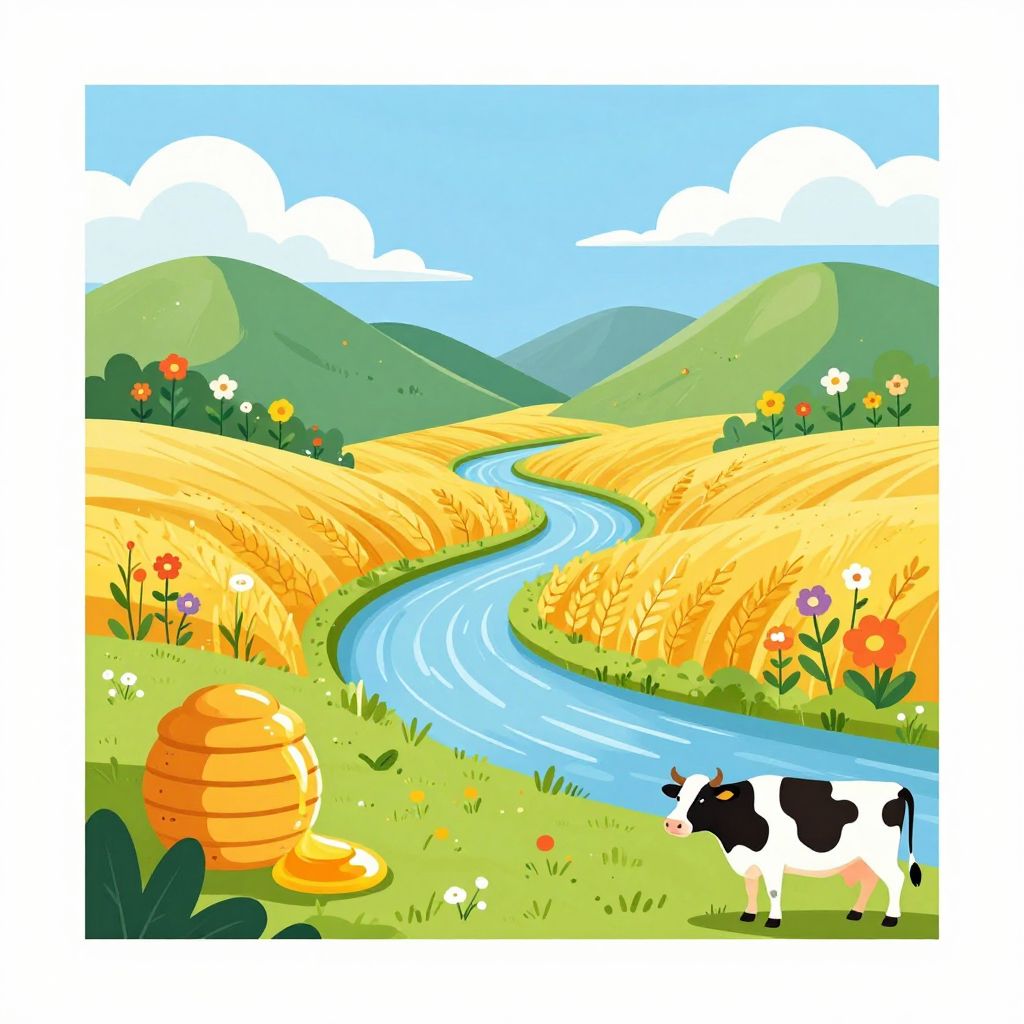
Have you ever wondered what the phrase “milk and honey” truly signifies in the Bible? This phrase appears multiple times and evokes imagery of abundance and blessing. Understanding this concept provides insight into God’s promises for His people, as well as His character as a giver of good gifts.
This article will explore the biblical significance of “milk and honey,” its cultural context, and its implications for our spiritual lives today. We will see that it represents not just physical sustenance, but also spiritual nourishment and a relationship with God.
What Does Milk And Honey Mean In The Bible?
The phrase “milk and honey” symbolizes abundance, prosperity, and God’s blessing. It represents the Promised Land, the land flowing with these two elements that signify divine provision for the Israelites as they journeyed to freedom. This depiction emphasizes God’s desire for His people to experience fullness in every aspect of life.
The Cultural Context of Milk and Honey
In ancient Near Eastern culture, both milk and honey were prized commodities. Milk often symbolized nourishment and fertility, while honey represented sweetness and delight. Together, they portray a life marked by richness and favor.
Milk was commonly associated with pastoral living, indicating a land suitable for raising livestock. Honey, often sourced from wild bees, implied an abundant natural landscape teeming with life. The combination of these two elements paints a picture of a land overflowing with goodness.
God’s Promises Through Milk and Honey
The depiction of “milk and honey” primarily connects to God’s covenant with Israel. In Exodus 3:8, God states His intention to deliver the Israelites from Egypt and bring them to a “good and spacious land, a land flowing with milk and honey.” This promise sets a tone of hope and expectation for His people.
Covenant and Care
God’s promise of a land flowing with milk and honey highlights His faithfulness to His covenant. It reassures His people that He will provide for their needs as they depend on Him. The land is not merely a physical space; it embodies a relational dynamic between God and His people.
Are you living in the assurance of God’s provision for your needs? Trusting in His promises can transform how you view the journey ahead.
Obedience and Abundance
The promise of milk and honey comes with responsibilities. God calls His people to obedience. In Deuteronomy 6:3, He instructs them to heed these commandments, stating that if they obey, they will enjoy the fullness of the land’s blessings. Obedience leads to experiencing God’s abundant goodness.
Reflect on how your actions and choices align with God’s call. Are there areas where you can step into deeper obedience that may lead to greater blessings?
The Spiritual Significance of Milk and Honey
Beyond physical nourishment, “milk and honey” also symbolizes spiritual sustenance. Just as physical milk nourishes infants, spiritual milk is essential for the growth of believers. In 1 Peter 2:2, Peter urges Christians to crave pure spiritual milk so they may grow in their salvation.
Growth and Maturity
Spiritual growth is crucial for believers. In Paul’s letters, he often addresses the need for maturity within the faith community. Milk signifies the basics of faith—what new believers need to understand; honey illustrates the sweetness of God’s truths that enrich one’s spiritual journey.
Consider your own spiritual diet. Are you consuming the “milk” of Scripture daily? How about the “honey” that comes from deeper revelations? Seek balance for holistic growth.
The Promise of God’s Presence
Milk and honey also reflect the sweetness of God’s presence in our lives. When life feels burdensome, God invites us to experience His joy and peace. This promise is beautifully illustrated in Psalm 36:8, where the psalmist declares that those who seek refuge in God are abundantly satisfied from His house.
Are you finding contentment in God’s presence? Consider ways to cultivate closeness with Him. Pursuing prayer, worship, and meditation on His Word can lead to profound experiences of His goodness.
Examples in Scripture
The imagery of milk and honey appears throughout Scripture, providing a consistent message of God’s blessings and intentions for His people.
Exodus 3 and 13
In Exodus 3:17, God promises to bring the Israelites out of Egypt into a land flowing with milk and honey. This promise builds anticipation for the Israelites as they endured hardship in slavery. In Exodus 13:5, Moses reiterates this promise, reminding the people of God’s unchanging commitment to their future.
Do you cling to God’s promises in difficult seasons? His faithfulness will guide you through struggles and uncertainty.
Deuteronomy 8
Deuteronomy 8 warns the Israelites about the potential temptation to forget God amidst their blessings. In verse 8, God describes the land as a “good land, a land of brooks of water, of fountains and springs that flow out of valleys and hills.” This reminder calls believers to stay humble and reliant upon God.
As blessings come into your life, how do you remember to honor the One who provided them? Cultivating gratitude is essential for spiritual health.
The Journey to the Promised Land
In Numbers 13, Moses sends spies to explore the land of Canaan. They return with clusters of grapes, showing that the land truly flows with milk and honey (Numbers 13:27). This physical evidence serves as a reminder of God’s faithfulness. However, the fear of giants in the land caused many to doubt what God had promised.
How do you respond to God’s promises when challenges arise? Are you more focused on obstacles than on His faithfulness?
Milk and Honey in the New Testament
The New Testament continues the theme of God’s provision and abundance. Jesus comes to fulfill the Law and expand the understanding of God’s blessings.
The Bread of Life
In John 6:35, Jesus declares, “I am the bread of life.” He offers Himself as the ultimate sustenance for spiritual hunger. Just as milk nourishes, Jesus nourishes the soul, providing eternal life and satisfaction.
How do you nurture your relationship with Jesus as the Bread of Life? Awareness of your spiritual need leads to a deeper reliance on Him.
The Sweetness of Salvation
The sweetness of honey can also metaphorically represent the joy of salvation. In Psalm 119:103, the psalmist writes, “How sweet are your words to my taste, sweeter than honey to my mouth!” The Scriptures reveal God’s heart and invite believers into a joyful relationship with Him.
Do you find delight in God’s Word? Prayerfully explore different passages to experience the sweetness of His truth.
Practical Applications of Milk and Honey
Understanding the symbolism of milk and honey carries practical applications for our daily lives. Here are several areas to reflect upon:
- Seek God’s Provision: Make it a habit to acknowledge God’s provision in both big and small matters. Foster an attitude of gratitude.
- Nurture Spiritual Growth: Engage with Scripture regularly, allowing it to deepen your faith. Find ways to grow in knowledge and understanding of God.
- Stay Humble: Remember that blessings are gifts from God. Use your resources to bless others and glorify Him.
- Embrace His Presence: Cultivate practices that draw you closer to God, enhancing your relationship with Him. Prioritize prayer, worship, and silence.
- Share the Journey: Encourage fellow believers around you. Share your experiences of God’s provision and blessings to uplift one another.
Conclusion
Understanding “milk and honey” in the Bible enriches our appreciation of God’s blessings. It reminds us that He desires for us to experience abundance in both physical and spiritual realms. The promise of milk and honey reflects God’s unwavering commitment to His people, rooted in His love and care.
As you continue your journey of faith, hold onto the truth that God’s provision sustains and delights. Seek ways to grow in your relationship with Him and celebrate His goodness in your life.
As you explore more faith-based topics and articles, consider delving into what water represents in the Bible at what water represents in the Bible and learn how many times honey is referenced in Scripture at how many times is honey mentioned in the Bible.