
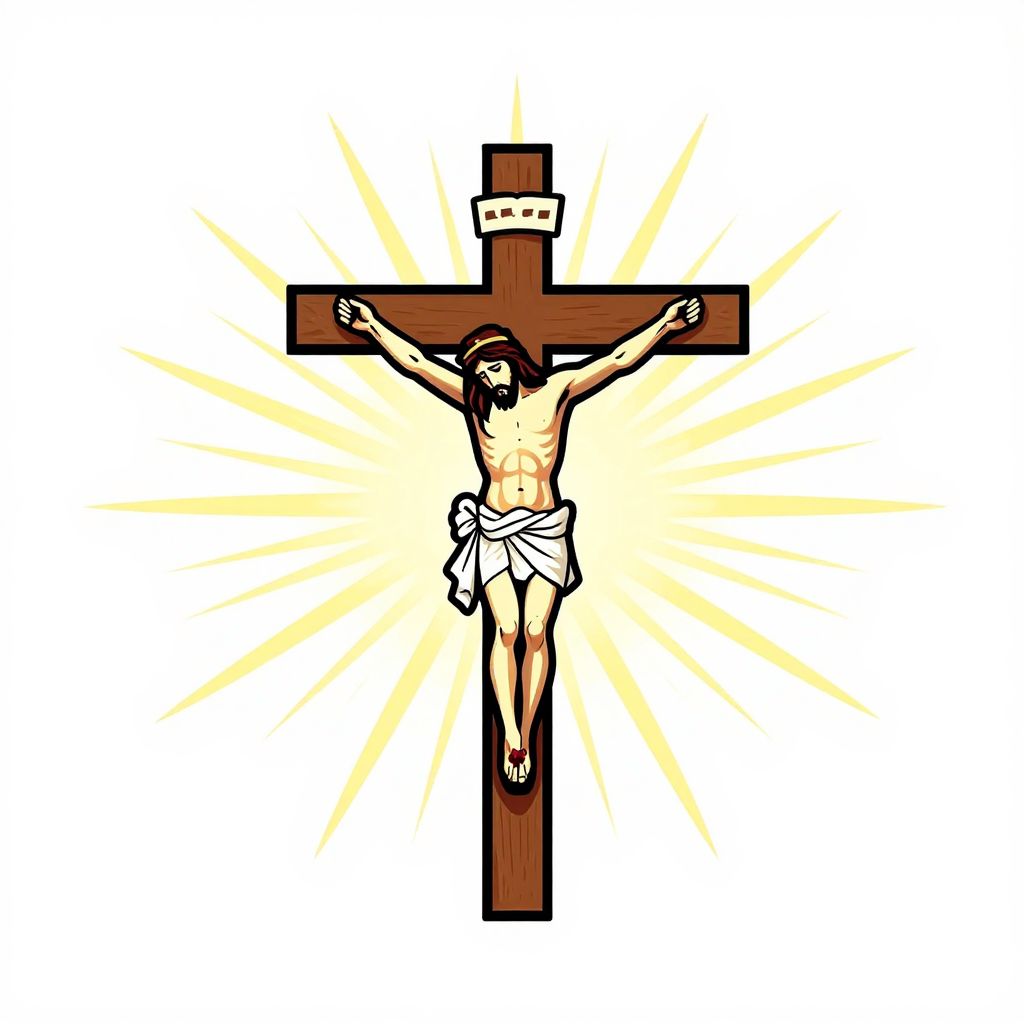
Have you ever wrestled with the significance of Jesus’ death? The moment that shook history carries deep spiritual weight in the life of every believer. Understanding when Jesus died allows us to grasp the full depth of redemption and grace offered through Him.
This article explores the profound implications of Jesus’ death, rooted in Scripture and shaped by God’s character. Recognizing this pivotal moment reveals the extent of God’s love and His plan for humanity’s salvation.
When Jesus Died?
Jesus died on a hill called Golgotha, outside Jerusalem, around noon on a Friday during Passover. This event took place approximately 2,000 years ago, fulfilling numerous Old Testament prophecies and paving the way for salvation.
The Prophecies Fulfilled
Jesus’ death was not a random event; it was the fulfillment of countless prophecies. Isaiah 53:5 says, “But he was pierced for our transgressions, he was crushed for our iniquities.” This prediction highlights both the suffering of Jesus and the reason for it.
Psalm 22 details the anguish of the crucifixion. Jesus’ cry from the cross, “My God, my God, why have you forsaken me?” echoes this psalm, proving that His suffering and death were anticipated and intrinsic to God’s redemptive plan.
Jesus died during the Passover feast, symbolizing the lamb’s sacrifice for the sins of the people. John 1:29 calls Jesus “the Lamb of God, who takes away the sin of the world.” This connection shows that His death aligns with God’s established means of salvation.
Jesus’ death also occurred at the exact moment the Passover lambs were being slain in the temple. This significant timing emphasizes that He was the ultimate sacrifice, unblemished and pure, meant to atone for the sins of humanity.
The Impact of Jesus’ Death
Understanding when Jesus died also leads us to recognize its profound impact on our lives today. His sacrifice transformed our relationship with God and created a pathway for eternal life.
The Atonement for Sin
Romans 6:23 clearly states, “The wages of sin is death, but the gift of God is eternal life in Christ Jesus our Lord.” Jesus’ death paid the penalty for our sins, offering us grace instead of judgment.
This act of atonement invites us to seek forgiveness and restores our relationship with God. Have you accepted this amazing gift of grace that Jesus offers?
The Redemption Story
Jesus’ death is integral to the story of redemption, illustrated in 2 Corinthians 5:17: “Therefore, if anyone is in Christ, the new creation has come: The old has gone, the new is here!” His death initiates a new beginning for all who believe.
This transformation extends beyond mere forgiveness; it offers spiritual renewal. When we accept Christ, we step into a new identity as children of God.
The death of Jesus initiated a great spiritual battle. While it appeared that darkness had overcome, the reality is that this was the moment salvation was secured. Colossians 2:15 asserts, “And having disarmed the powers and authorities, he made a public spectacle of them, triumphing over them by the cross.”
The resurrection, which follows Jesus’ death, culminates this victory, showing that death does not triumph over life. It’s amazing to consider how Jesus’ death reshapes our understanding of suffering and hope.
Jesus understands suffering intimately. Hebrews 4:15 reminds us that He empathizes with our weaknesses. His death demonstrates that even in suffering, God is at work.
When we face trials, we can remember that our Savior endured suffering for a purpose. How does this perspective change how you view your own challenges?
The message of Jesus’ death is one of hope. 1 Peter 1:3 states, “Praise be to the God and Father of our Lord Jesus Christ! In his great mercy, he has given us new birth into a living hope through the resurrection of Jesus Christ from the dead.”
His promise of eternal life assures us that, even amidst calamity, we can hold firmly to our hope. This hope is not just for the future; it intersects with our present circumstances, offering peace where anxiety reigns.
In light of Jesus’ death, believers find a call to follow Him. This is not merely about accepting facts; it is about living out the implications of the cross every day.
Jesus invites His followers to a life of sacrifice. In Matthew 16:24, He states, “Whoever wants to be my disciple must deny themselves and take up their cross and follow me.”
This call may seem daunting, yet it offers an opportunity for deeper intimacy with God. Are there areas in your life where God is inviting you to surrender?
Following Jesus leads us to live in accordance with the Great Commandment: loving God and others. Matthew 22:37-39 commands us to love God wholeheartedly and to love our neighbors as ourselves.
When we allow the love demonstrated on the cross to flow through us, we become beacons of hope to the world. How can you actively show love in your daily life?
Jesus’ death not only impacts our individual lives but also brings us into a community of believers. The Church serves as the body of Christ, where each member plays a vital role.
Acts 2:42 illustrates the early Church’s commitment to fellowship, teaching, breaking bread, and prayer. Jesus’ sacrifice brings us together to grow in faith and strength.
Being part of a church community encourages us in our spiritual walk and provides opportunities for serving others. Are you actively engaged in a community that fosters your faith?
Jesus commissions us to share the good news of His death and resurrection. Matthew 28:19-20 compels us to “go and make disciples of all nations.”
The call to be witnesses lays on every follower of Christ. Each voice matters in sharing this life-changing message. How are you participating in the mission of spreading the Gospel?
The last words of Jesus carry significant meaning. He uttered, “It is finished” (John 19:30), signifying the completion of His redemptive work.
This declaration offers a profound understanding of grace. There is nothing we need to add to Christ’s sacrifice. The work is complete. Have you embraced that truth in your life?
The finality of Jesus’ death brings freedom for believers. Galatians 5:1 proclaims, “It is for freedom that Christ has set us free.” We no longer bear the weight of sin; we receive His righteousness.
Freedom in Christ empowers us to live boldly, unencumbered by guilt or shame. How can you start living in that freedom today?
Jesus invites us to remember His death through communion. In Luke 22:19, He instructs His disciples to partake of the bread and the cup in remembrance of Him.
This remembrance strengthens our faith and renews our understanding of His incredible love. Are you regularly taking the time to reflect on the significance of the Last Supper?
While Jesus’ death is foundational, the story does not end there. His resurrection three days later secures victory over sin and death.
1 Corinthians 15:55 says, “Where, O death, is your victory? Where, O death, is your sting?” This triumphant declaration instills hope and promise in every believer’s heart.
The resurrection assures us of eternal life with God, transcending the finality of physical death. John 3:16 encapsulates this promise: “For God so loved the world that he gave his one and only Son, that whoever believes in him shall not perish but have eternal life.”
This promise invites every person into a relationship with Christ — one that lasts forever. Have you accepted that promise for yourself?
Knowing that Jesus died and rose again shapes our worldview. Colossians 3:2 urges us to set our minds on things above, not on earthly things.
This perspective shifts our priorities, transforming how we interact with the world. How can you let the reality of eternity influence your daily choices?
As we consider when Jesus died, it is vital to allow this truth to resonate deeply within us. His death changes everything. It brings hope, salvation, and a call to follow Him wholeheartedly.
Jesus’ sacrifice impels us to love, to serve, and to live in the transformative power of His grace. As you reflect on His last words and the freedom of the resurrection, take steps to engage your faith actively.
Explore more faith-based topics and articles. Consider reflecting on Jesus’ last words or learn why Jesus died for us. These insights will deepen your appreciation of His love and sacrifice.