
Have you ever wondered about the roles and figures mentioned in the Bible that don’t always get the same attention, like satraps? Understanding what a satrap is can shed light on the governance and administration seen in ancient times, particularly under empires like Babylon and Persia. Exploring this role not only enriches your biblical knowledge, but also reveals insights into God’s sovereignty over nations and kingdoms.
This article will examine the term “satrap” as it appears in Scripture, its significance in the biblical narrative, and what believers can learn from this role about leadership and accountability.
What Is A Satrap In The Bible?
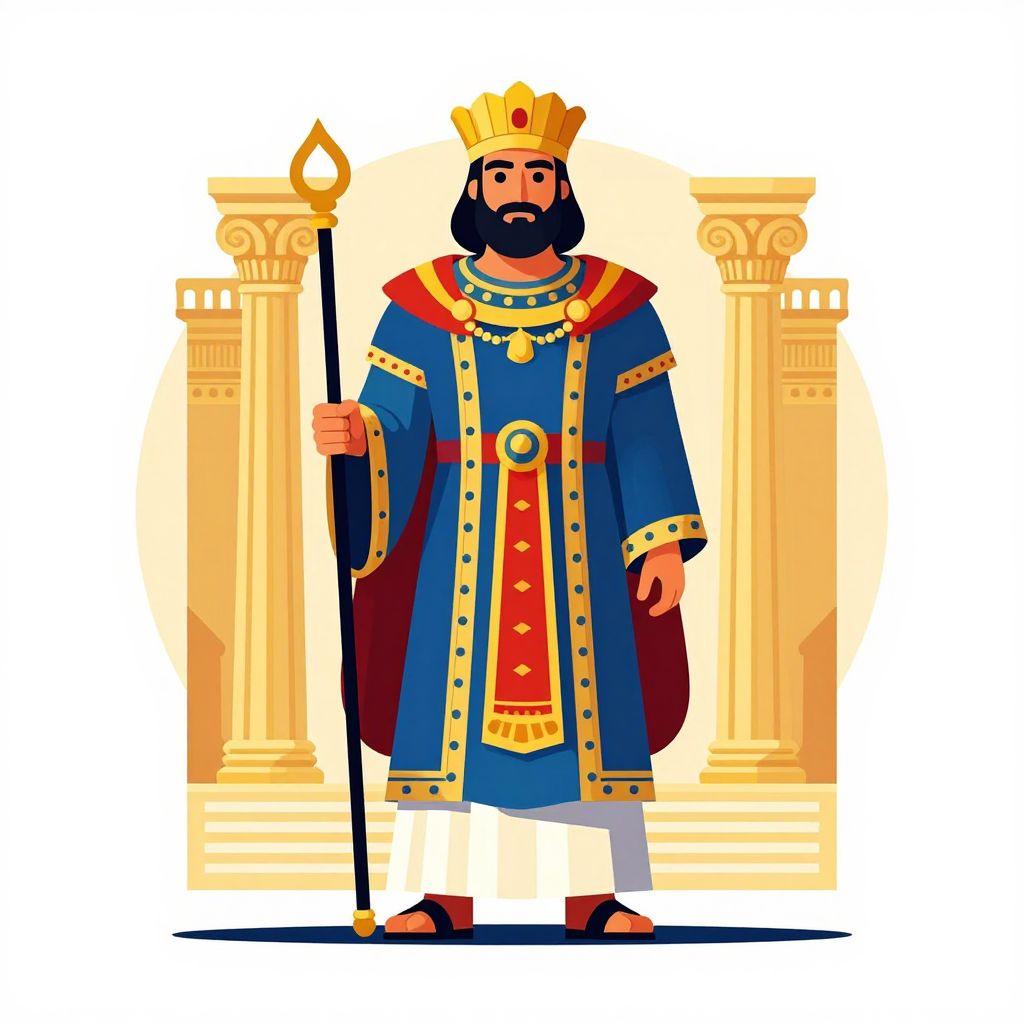
A satrap in the Bible refers to a provincial governor in the ancient Persian and Babylonian empires. Satraps were responsible for administering a particular region, collecting taxes, and maintaining order according to the king’s directives. The role signifies a high administrative position, often connected to the authority of the ruling monarch.
The Historical Context of Satraps
Satraps served as local representatives of the king, wielding significant power in the provinces they governed. The Persian Empire, which operated from the 6th century BC to the 4th century BC, utilized satraps as a way to maintain control over its vast territories. Darius the Great, a prominent Persian King, organized the empire into regions managed by satraps to ensure efficient governance.
This structure not only streamlined administration but also enhanced the king’s influence. The role was critical in maintaining peace and promoting prosperity throughout the empire. Have you considered how leaders today mirror this model of governance? Effective leaders establish clear hierarchies and delegate responsibilities to uphold order.
References to Satraps in Scripture
The term “satrap” appears in several key passages of the Bible, particularly in the Book of Daniel. The context of these passages provides insight into how God used individuals in positions of power to fulfill His purposes.
- Daniel 6:1-3 mentions that King Darius appointed 120 satraps to govern his kingdom, with three chief administrators over them. These figures symbolize organization and delegation within governance.
- In Daniel 3:2, King Nebuchadnezzar also set up satraps among other officials to oversee his provinces. This showcases the continuity of the role throughout different reigns.
- In both references, satraps are depicted as instrumental in implementing the king’s policies, reflecting a hierarchical society.
God’s Sovereignty Over Kings and Kingdoms
The existence of satraps highlights God’s sovereignty in directing the affairs of nations. Even in politically complex systems, God remains in control. Proverbs 21:1 reminds us that, “The king’s heart is a stream of water in the hand of the Lord; he turns it wherever he will.” Reflecting on this verse, it’s clear that despite human governance structures, God’s influence reigns supreme.
Leaders in the Bible, including satraps, often played roles that directly impacted the fulfillment of God’s plans. For instance, Daniel, a Jewish exile, served under multiple kings as a chief advisor and was instrumental in preserving God’s truth during a time of exile. Have you considered how God places individuals strategically in various spheres for His purposes? Reflect on the areas where God has placed you — how might you be called to serve and influence for His glory?
Lessons on Leadership from Satraps
Examining the role of satraps provides vital lessons on leadership, accountability, and the nature of authority. Here are key principles to reflect upon:
- Delegation and Responsibility: The king delegated authority to satraps, who were entrusted with significant responsibilities. This teaches modern leaders about the importance of empowering others to lead. How can you better delegate in your own life or work?
- Integrity in Leadership: Daniel distinguished himself among the satraps through his exceptional qualities (Daniel 6:3). This emphasis on character reveals that true leadership requires integrity and honesty. What does living with integrity look like in your daily decisions?
- Accountability: Satraps were accountable to the king for their actions, just as believers are ultimately accountable to God. This means that even in positions of authority, humility is essential. How do you ensure accountability in your leadership?
- Stewardship of Resources: The role of a satrap involved managing resources and ensuring they were used wisely. Consider how you can steward your resources — time, talents, and finances — in a way that honors God.
God’s Use of Satraps
Throughout the biblical narrative, God uses satraps to fulfill His divine purposes. For instance, in the story of Esther, King Xerxes, influenced by his satraps, made decisions that eventually led to the preservation of the Jewish people. These narratives illustrate that God can work through any means to achieve His will.
Furthermore, the way Daniel interacted with various satraps provides a model for how believers can engage with authority. Daniel maintained his faith while serving those in power, demonstrating that Christians can be a positive influence in secular environments. How can your approach to work or school reflect the wisdom of Daniel amidst authority figures?
Practical Applications
Understanding the role of satraps encourages believers to evaluate their own positions of influence. Here are practical applications for everyday life:
- Recognize God’s sovereignty in leadership situations. Trust that He can work through authorities.
- Commit to personal integrity, especially in positions of influence. Your character reflects Christ to others.
- Find ways to empower others. How can you help those around you grow in their abilities?
- Be proactive in maintaining accountability in your spheres of influence. Consider creating structures of feedback.
- Practice stewardship of your resources. Reflect on how you can use your gifts to serve others effectively.
The Role of Prayer in Leadership
For anyone in a position of influence, prayer serves as a vital foundation. Seeking God’s guidance and wisdom fosters deeper connections and helps navigate the complexities of leadership. James 1:5 encourages believers to ask God for wisdom freely. Have you made prayer a priority in your daily decisions and leadership?
Daniel’s prayer life stands as a strong example within the context of satraps and ancient governance. Throughout his time in Babylon, Daniel consistently sought God, and his dedication yielded profound outcomes. When faced with challenges or stresses, how do you respond? Are you quick to pray or quick to act? Prayer provides clarity and strength.
Conclusion
The biblical figure of the satrap holds rich implications for understanding God’s plan in history and how He operates through human authorities. These leaders remind us that God remains steadfast and sovereign, even in times of political turmoil and uncertainty. By reflecting on the qualities that defined effective satraps and aligning our actions with biblical principles, we can emerge as lights in our respective spheres.
As you seek to grow in your own leadership, consider incorporating these principles into your daily walk. Whether that’s practicing integrity, focusing on stewardship, or engaging in consistent prayer, each element helps construct a foundation reflective of Christ. What one step will you commit to today in your journey toward becoming a more effective leader?
If you’re interested in exploring more faith-based topics, consider reading about eunuchs in the Bible or learning what a diadem is in the Bible. Each topic offers a unique perspective on how God’s word informs our understanding of various roles and symbols.