
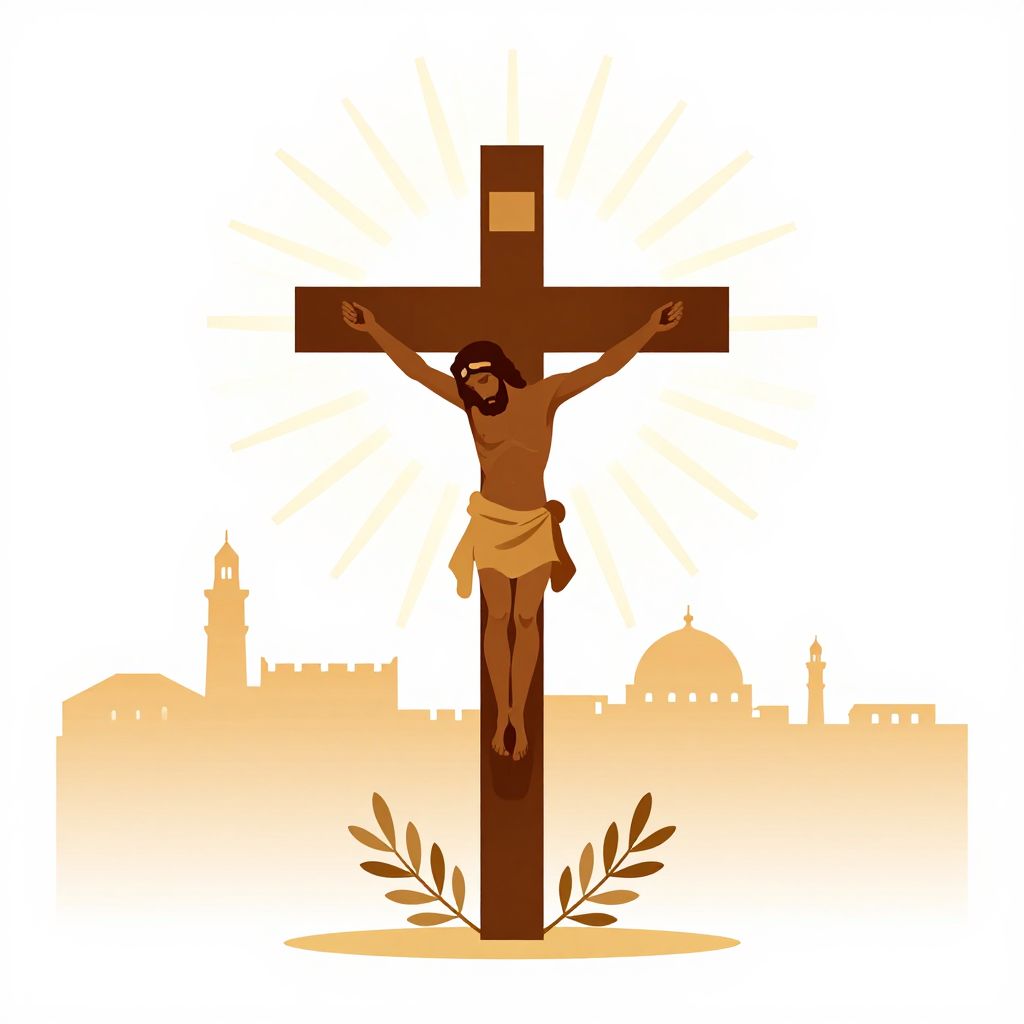
Many people wrestle with the profound significance of Jesus’ crucifixion. The question of where this pivotal event took place often arises, reflecting a deeper search for understanding God’s purpose and the history of our faith. Knowing the country where Jesus died helps us ground our understanding of this foundational moment in the Christian narrative.
Jesus died in Judea, a region that was part of ancient Israel under Roman rule. This specific location not only serves as a historical marker but also encapsulates the core message of redemption for humanity. Unpacking the significance of this event and its setting anchors us in the biblical truth that God intervened in human history to bring about salvation.
What Country Did Jesus Die In?
Jesus died in Judea, which is today part of modern-day Israel. His crucifixion took place outside the walls of Jerusalem at a site known as Golgotha or Calvary. This location is not merely significant in a geographical sense; it serves as a critical intersection of Jewish prophecies, Roman authority, and divine love.
Understanding Judea’s Historical Context
Judea was a central region in ancient Jewish history. It held immense religious significance to the Jewish people as the location of the temple in Jerusalem. The temple represented the dwelling place of God among His people, and its destruction in A.D. 70 marked a pivotal moment in Jewish history.
At the time of Jesus, Judea was under Roman occupation which complicated the religious and political landscape for the Jews. They lived under Roman laws and oppression, yet they continued to yearn for a Messiah who would free them. Jesus’ arrival and subsequent execution were set against this backdrop of expectations and disappointments.
Golgotha: The Place of the Skull
The term “Golgotha” means “the place of the skull.” Both Matthew 27:33 and Mark 15:22 refer to this location, while John 19:17 emphasizes its designation. This compelling imagery points to the grim nature of crucifixion but also signifies the beginning of new life through Jesus’ death.
The crucifixion and burial site evokes deep spiritual reflection. Why would God allow His Son to die in such a manner? It draws attention to God’s plan of redemption. In Isaiah 53:5, the prophet foretold, “He was crushed for our iniquities.” Jesus’ suffering points us to a profound truth: He took on our sins, offering reconciliation to those who believe.
The Prophetic Significance of Jesus’ Death
To appreciate the significance of where Jesus died, we must consider the Old Testament prophecies surrounding His crucifixion. These prophecies established a framework that points to Jesus as the ultimate Messiah and sacrifice.
Foreshadowing in the Old Testament
Isaiah 53 is a poignant passage where the Messiah is described as suffering for the sins of others. Additionally, Psalm 22 provides vivid imagery about crucifixion, written centuries before this method was even practiced. The details align with the Gospel accounts, including Jesus’ cry of abandonment and the piercing of His hands and feet.
These prophecies shape our understanding of Jesus’ death as not just a tragic end, but as the fulfillment of God’s plan—a plan revealed over generations.
Connections to Sacrificial Law
In the Jewish tradition, sacrificial laws guided the people’s approach to atonement. In Leviticus 17:11, we learn that “the life of a creature is in the blood, and I have given it to you to make atonement for yourselves.” Jesus became the ultimate atoning sacrifice, replacing the need for animal sacrifices through His blood shed on the cross.
This understanding invites deeper reflection on the cost of sin. Do we grasp the magnitude of what Jesus paid on our behalf? Knowing that His death offered eternal life prompts us to embrace His gift of redemption wholeheartedly.
The Role of Roman Authorities in Jesus’ Death
The Roman authorities played a significant part in the events leading to Jesus’ execution. Initially, local Jewish leaders wanted Jesus silenced. They felt threatened by His growing influence. They accused Him of blasphemy when He claimed divine authority, something no devout Jew could tolerate.
Turning to Roman authorities was their next step since only they had the power to execute someone. The involvement of Pontius Pilate, the Roman governor, emphasizes the political complexity surrounding Jesus’ death. Ultimately, Pilate succumbs to the pressure of the crowd, illustrating how fear of public opinion can overshadow justice.
Reflectively, how often do we allow societal pressures to influence our decisions? Pilate’s actions echo throughout history, reminding us of the importance of standing firm in truth, regardless of popular opinion.
The Spiritual Implications of Jesus’ Death
Understanding the location of Jesus’ death in Judea leads us to crucial spiritual questions. What does this act of self-sacrifice mean for our lives today? How do we respond to such a profound offering of love and grace?
Redemption and Forgiveness
Jesus’ death on the cross represents the ultimate act of love. According to Romans 5:8, “But God demonstrates his own love for us in this: While we were still sinners, Christ died for us.” This reality provides the foundation for our belief; it assures us of God’s enduring love and mercy even in our brokenness.
This invites us to view our failures through the lens of grace. Are we open to the idea that we don’t have to bear the weight of our sins alone? Jesus’ sacrifice dismantles the burden of shame and guilt, replacing it with hope and acceptance.
Living in Light of His Sacrifice
Knowing where Jesus died is only the beginning of our spiritual journey. The cross calls us to live transformed lives. As written in Ephesians 4:1, we are urged to “live a life worthy of the calling you have received.” This involves action, change, and a commitment to embodying Christ’s teachings.
What would it look like to embrace grace instead of judgment? To extend forgiveness to those who wronged us, motivated by the forgiveness we’ve received? This challenge lies at the heart of Jesus’ message, perpetually relevant and life-changing.
Application: Responding to the Cross
As we conclude our exploration of the country where Jesus died and its implications, we face a choice—how will we respond? The cross stands as an invitation to relationship and transformation. Engaging with its meaning provokes action and commitment.
Practical Steps for Reflection
- Spend time in prayer, considering the weight of Jesus’ sacrifice.
- Reflect on the areas of your life that require forgiveness or healing.
- Seek opportunities to serve others in compassion, demonstrating Christ’s love.
- Study the Gospels to deepen your understanding of Jesus’ teachings.
- Join a community that fosters accountability and spiritual growth.
Conclusion: The Significance of Golgotha Endures
The question, “What country did Jesus die in?” resonates far beyond geography. Jesus’ crucifixion in Judea lays the groundwork for understanding God’s redemptive story. Its implications affect every aspect of life for those who choose to follow Him.
In a world longing for answers, the truth of Jesus’ death shines brightly, beckoning each heart toward the grace and hope found at the foot of the cross. Let His sacrifice resonate within. Consider the change it invites, and walk confidently in His everlasting love and forgiveness.
Explore more faith-based topics and articles to deepen your understanding, such as where the cross Jesus was crucified on is found and why Jesus died for humanity. These resources can offer additional insights into the profound significance of Jesus’ sacrifice.