
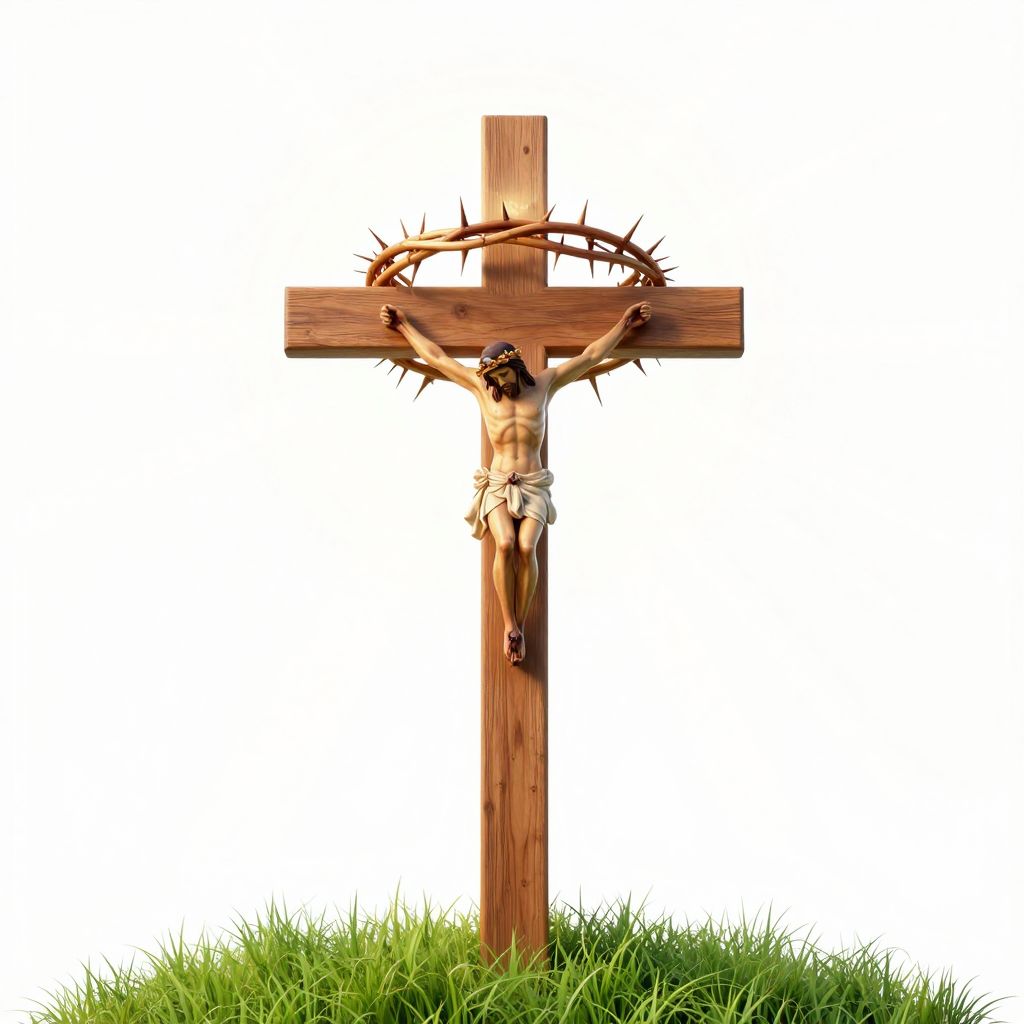
Have you ever wondered about the physical location of the cross where Jesus was crucified? Many believers feel the weight of this question in their hearts, drawing deeper into the significance of His sacrifice. Understanding the location is more than just geographical curiosity; it invites a profound engagement with the truth of the Gospel.
The answer lies in Scripture and history, revealing not just the place but the spiritual implications of the crucifixion for believers. This exploration invites us to reflect on the depths of God’s love displayed on that cross.
Where Is The Cross Jesus Was Crucified On?
The cross where Jesus was crucified is traditionally believed to be located at Golgotha, an Aramaic word meaning “the place of the skull.” This site is situated outside the walls of Jerusalem, where Jesus endured immense physical and spiritual suffering. Understanding its location helps us grasp the gravity of this pivotal event in Christian faith.
The Historical Context of Golgotha
Golgotha holds significant historical and spiritual weight within the narrative of Christ’s final hours. It is known as the hill where Roman crucifixions took place, aligning with the practice of public executions during that time. This setting amplifies the humiliation and suffering endured by Jesus.
Biblical References to Golgotha
The primary biblical references to Golgotha are found in the Gospels. In Matthew 27:33, it states, “They came to a place called Golgotha (which means ‘the place of the skull’).” This acknowledgment serves as a precise geographical marker in the story of the Passion.
Mark 15:22 reinforces this: “They brought Jesus to the place called Golgotha (which means ‘the place of the skull’).” Each Gospel provides clarity and support for the significance of this location.
The Spiritual Significance of Golgotha
Golgotha is not just a location; it symbolizes the weight of sin and the ultimate demonstration of God’s love. Romans 5:8 powerfully states, “But God demonstrates his own love for us in this: While we were still sinners, Christ died for us.” This reflects the depth of Jesus’ sacrifice at Golgotha.
Have you considered how the cross challenges our understanding of grace and mercy? The weight of sin on that hill signifies God’s willingness to bear our burdens, even in the most horrific circumstances.
The Cross in Prophecy
The crucifixion was foretold in the Old Testament, providing a seamless connection between the prophecies and their fulfillment. Isaiah 53:5 declares, “But he was pierced for our transgressions, he was crushed for our iniquities.” These prophecies direct our attention to the heart of the Gospel.
Isaiah portrays Jesus as the suffering servant who bears our pain and sin. This prophecy sets a poignant backdrop for His sacrifice at Golgotha, highlighting the weightiness of what happens there. How does this knowledge transform your view of Jesus’ suffering for your personal sin?
The law required sacrifice for sin, seen throughout the Torah. Jesus embodies the ultimate sacrificial lamb, fulfilling the law’s requirements. Matthew 5:17 states, “Do not think that I have come to abolish the Law or the Prophets; I have not come to abolish them but to fulfill them.” His crucifixion achieves that fulfillment at Golgotha.
The cross serves as the central symbol of Christian faith, representing both suffering and hope. Theologically, it invites believers into a deeper understanding of sin, redemption, and the nature of God.
The reality of sin necessitating Christ’s death depicts the severity and separation sin creates between humanity and God. Romans 6:23 succinctly articulates this, “For the wages of sin is death, but the gift of God is eternal life in Christ Jesus our Lord.” Golgotha becomes both the punishment for sin and the pathway to redemption.
The cross signifies redemption, offering new life to believers. Colossians 1:13-14 beautifully elaborates, “For he has rescued us from the dominion of darkness and brought us into the kingdom of the Son he loves, in whom we have redemption, the forgiveness of sins.” This reality transforms our relationship with God.
Today, the site believed to be Golgotha is situated within a church known as the Church of the Holy Sepulchre. This location has been venerated by Christians for centuries, providing a tangible connection to the events of the crucifixion.
Golgotha has become a pilgrimage site for many believers. Visiting this place offers the opportunity to engage deeply with the sacrifice of Christ. Reflective moments at this location can help solidify one’s faith. Have you ever considered embarking on a pilgrimage to deepen your faith?
While the specific location may be debated by some historians, the tradition surrounding Golgotha remains solid. Respecting the historical and theological significance of the site encourages a deeper understanding of God’s work throughout history.
The cross should permeate the life of every believer. Understanding its physical and spiritual significance challenges us to live in response to the grace we have received.
Jesus calls His followers to take up their cross daily. Luke 9:23 instructs, “Whoever wants to be my disciple must deny themselves and take up their cross daily and follow me.” This call invites individuals to embrace their spiritual journeys committed to Christ.
Reflecting on the cross leads to a transformed life. 2 Corinthians 5:17 declares, “Therefore, if anyone is in Christ, the new creation has come: The old has gone, the new is here!” This transformation energizes believers to live with purpose and conviction.
Remember that the message of the cross is the foundation of the Gospel. Believers are called to share this transformative news with others. How has the cross impacted your life, and how can you share that story with someone today?
Jesus’s final instructions to His disciples included the command to spread the Gospel. Matthew 28:19-20 reveals, “Therefore go and make disciples of all nations, baptizing them in the name of the Father and of the Son and of the Holy Spirit.” This command remains urgent today.
As you reflect on the significance of Golgotha and the cross, consider your role as an ambassador for Christ. 2 Corinthians 5:20 tells us, “We are therefore Christ’s ambassadors, as though God were making his appeal through us.” Embrace this calling with joy and urgency.
Exploring the significance of the cross at Golgotha provides depth to our understanding of God’s love, grace, and redemptive plan for humanity. The place of the skull invites believers into a transformative relationship with Christ, moving us from suffering to hope.
As you consider the implications of Golgotha today, reflect on how it motivates your faith. Are there areas in your life where you need to embrace the message of the cross? What steps can you take to live more boldly for Christ?
In reflecting on Golgotha, believers find themselves warmly invited into a relationship steeped in love and sacrifice. That single location stands as an eternal reminder of the Gospel’s power and promise.
To explore more faith-based topics and deepen your understanding of Scripture, consider visiting Where is Jesus? and Who was at the Cross?.
4 thoughts on “Where Is the Cross Jesus Was Crucified On? (Explained)”