
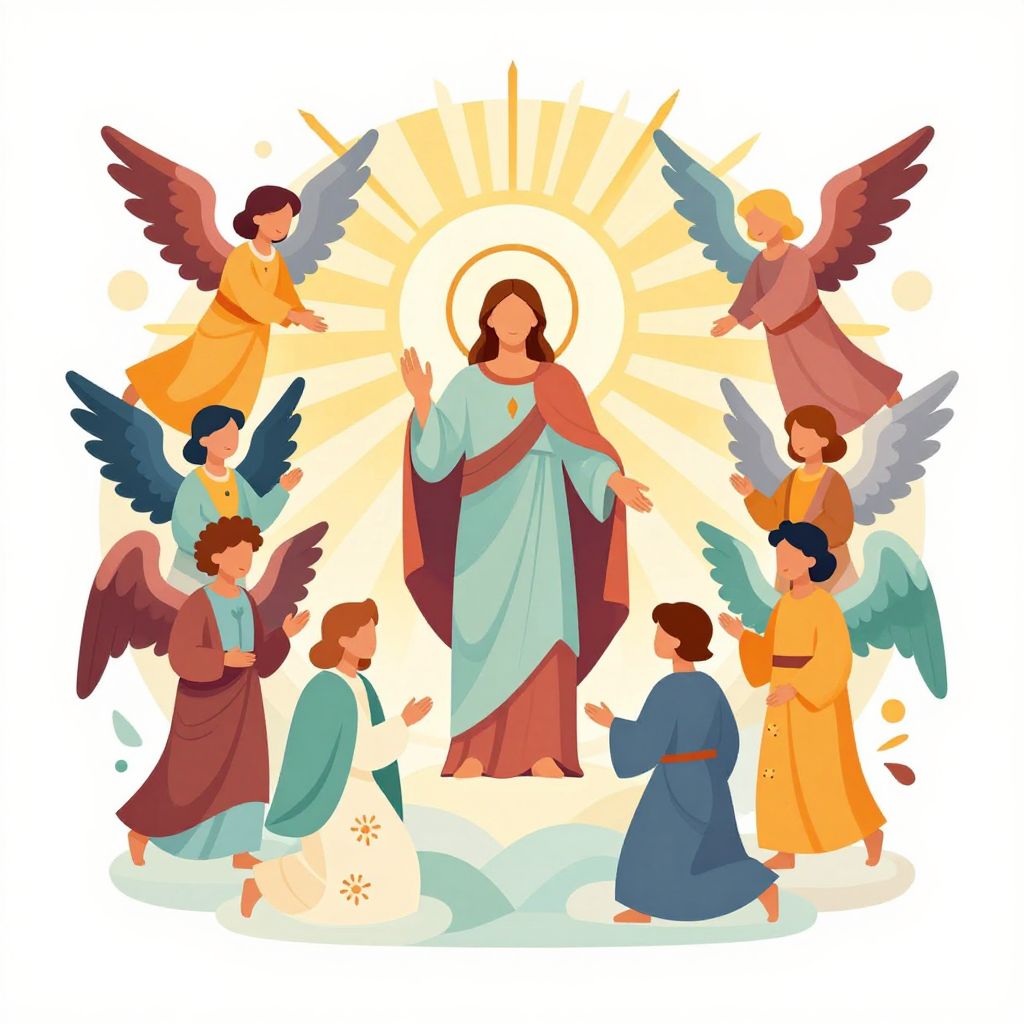
Have you ever wondered what it truly means to be a saint? Many people picture saints as distant, idealized figures who lived centuries ago, but the Bible presents a much more nuanced understanding of this term. Exploring the biblical concept of saints helps clarify our identity in Christ and our calling to reflect His character in our daily lives.
This article will delve into the true nature of saints in the Bible, rooted in Scripture, and illustrate their relevance for us as believers today. Understanding who saints are and their significance can transform how we live out our faith and interact with one another.
What Are Saints In The Bible?
Saints in the Bible are not just revered individuals; they are members of the Christian community called to live in holiness and reflect God’s character. The term “saint” comes from the Greek word “hagios,” meaning “set apart” or “holy.” Scripture leads us to understand that all believers in Jesus are saints.
Defining Saints in Scripture
The New Testament provides a clear definition of saints. In Ephesians 1:1, Paul addresses the saints in Ephesus, indicating that all who belong to Christ are part of this group. In 1 Corinthians 1:2, he expands this idea, calling the church “those sanctified in Christ Jesus, called to be holy.” Saints are, then, not just a select few but all who are set apart by their faith in Jesus.
The Purpose of Being a Saint
Saints are called to be a reflection of Christ’s holiness in the world. In Matthew 5:14, Jesus says, “You are the light of the world.” This call to illuminate darkness carries the responsibility of living out our faith in practical ways. Saints serve as examples of God’s grace and mercy.
Scriptural Illustrations of Saints
The Bible is filled with examples of ordinary people who lived extraordinary lives through their faith. From Abel in Hebrews 11:4 to Stephen in Acts 6–7, saints are relatable figures who demonstrate the journey of faith. Their lives reflect God’s power, not their perfection.
The Call to Holiness
Being a saint is inseparable from the call to live a holy life. Holiness refers to being set apart for God’s purposes, which includes moral purity and a dedication to His will. In 1 Peter 1:15-16, Peter reminds us, “But just as He who called you is holy, so be holy in all you do; for it is written: ‘Be holy, because I am holy.’
The Role of the Holy Spirit
The Holy Spirit empowers believers to live out their holiness. Romans 8:9 states that those who belong to Christ have the Spirit of God dwelling within them. This gift allows saints to grow in their likeness to Christ. It is essential for personal transformation and collective witness.
The Pursuit of Holiness
Saints do not achieve holiness through perfection but through their ongoing relationship with God. Philippians 2:12-13 encourages us to “continue to work out your salvation with fear and trembling, for it is God who works in you to will and to act.” Saints acknowledge their dependence on God’s grace to pursue holiness daily.
The Community of Saints
Saints do not exist in isolation. God calls His people into community to support and strengthen one another. Hebrews 10:24-25 urges believers to “consider how we may spur one another on toward love and good deeds, not giving up meeting together.” Saints are a vital part of the body of Christ, each contributing uniquely to the whole.
Unity Among Saints
Unity among saints is crucial for effective witness. Ephesians 4:3 stresses the importance of maintaining the unity of the Spirit in the bond of peace. Divisions weaken the testimony of the church and distract from the Gospel message. Working together as saints fosters an environment where God’s love can flourish.
The Role of the Church
The church is a gathering of saints, providing a space for worship, teaching, and fellowship. 1 Timothy 3:15 describes the church as “the pillar and foundation of the truth.” It is within the church that saints are equipped to fulfill their calling in the world.
Examples of Saints in the Bible
The Bible is rich with examples of saints who displayed extraordinary faith. Their stories inspire and encourage believers today to live out their faith boldly.
Able, found in Genesis 4, exemplifies faith and worship. His offering was accepted by God because it came from a heart of genuine devotion. Abel’s life reminds us of the importance of our motivations in our spiritual efforts.
Beneath the weight of leading an entire nation, Moses displayed incredible faith and trust. He stood as an intercessor for the Israelites, demonstrating what it means to be a saint who advocates for others (Exodus 32:11-14).
Saints and Suffering
Saints are not immune to suffering. In fact, the New Testament encourages believers to expect trials. In 2 Timothy 3:12, we read, “Everyone who wants to live a godly life in Christ Jesus will be persecuted.” Suffering can deepen a saint’s faith and reliance on God.
The Legacy of Saints
How to Live as a Saint
- Engage in regular prayer and Bible study to cultivate your relationship with God.
- Participate in a local church community to encourage and be encouraged.
- Practice love and service to others, reflecting Christ’s character in daily life.
- Seek the guidance of the Holy Spirit in each decision and action.
- Share your testimony of faith to inspire others.
These actions ground you in your identity as a saint and build the church’s collective witness, inviting others into the kingdom of God.
The Role of Saints in God’s Plan
Saints in the Old and New Testaments
The Call to Live Out the Saint Identity
Conclusion
Understanding what it means to be a saint in the Bible invites believers to embrace their identity in Christ. Saints are defined as all who follow Jesus, called to reflect His holiness in every aspect of life. By examining their role and legacy, we find encouragement, strength, and hope to navigate our everyday lives.
Consider how you can live out your identity as a saint today. What steps can you take to be a light in your community? Take a moment to pray, asking God for guidance and opportunities to share His love with others.
If you are eager to explore more faith-based topics and articles, you can check out resources on what the Bible says on various topics, or learn about integrity in the Scriptures. These resources can deepen your understanding and support your walk of faith.
2 thoughts on “What Are Saints in the Bible? (Bible Answer Explained)”