
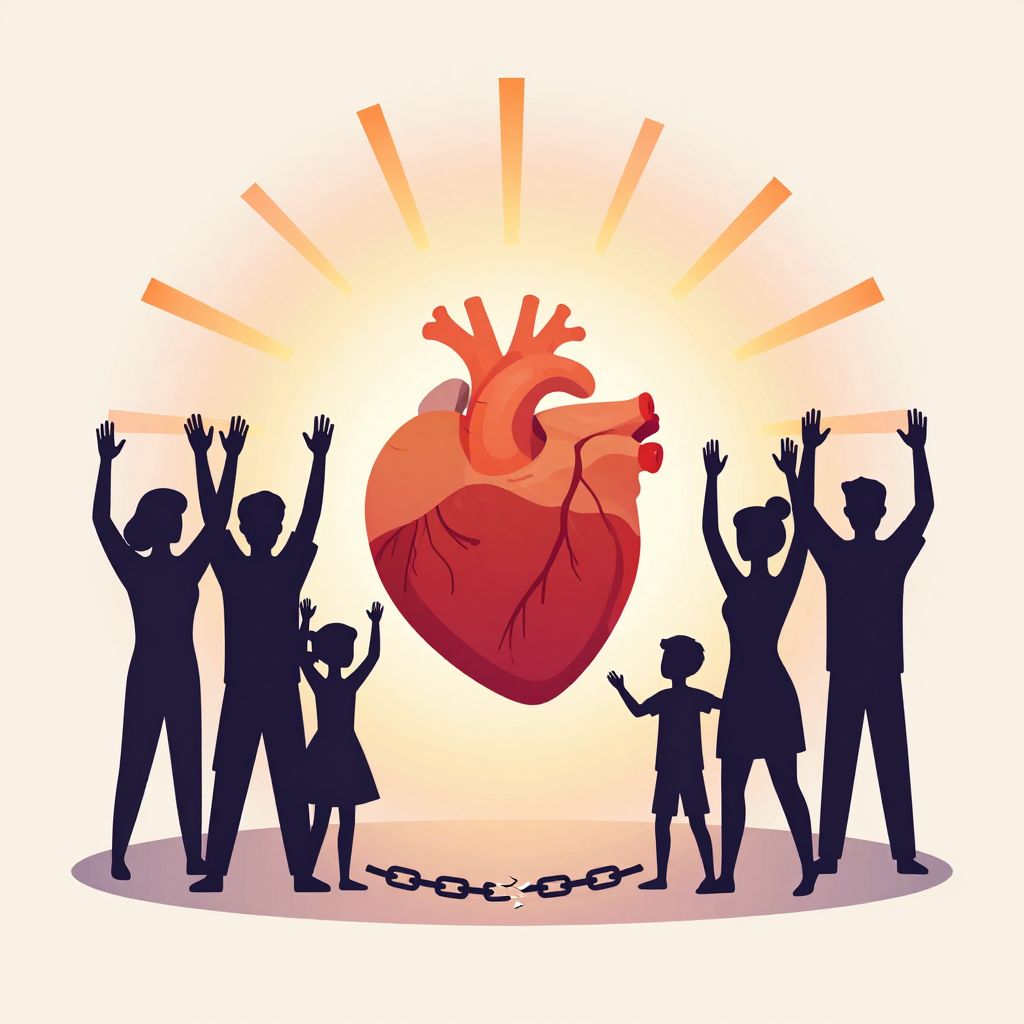
Have you ever struggled with the morality of taking a life? This question stirs deep emotions and calls into account the principles that God lays out in Scripture. Understanding what the Bible says about killing is vital for every believer, especially in a world filled with conflict and violence.
This article explores biblical truths regarding killing, offering insights that guide us in aligning our actions with God’s heart. In examining the Scriptures, we can grasp not only the commandments against killing but also the broader implications woven throughout God’s narrative on life, love, and humanity.
What Does The Bible Say About Killing?
The Bible unequivocally condemns killing. The Sixth Commandment states, “You shall not murder” (Exodus 20:13, NIV). This command emphasizes the sanctity of human life, which is created in the image of God. Therefore, killing is not merely a legal issue but a profound moral and spiritual concern.
The Weight of the Commandments
The commandments serve as a moral compass for how we interact with others. The prohibition against murder underscores the seriousness of taking a life. Every human being carries the image of God, implying intrinsic worth and dignity that must be respected.
Jesus elaborates on this commandment in Matthew 5:21-22, where He equates anger with murder. “Anyone who is angry with a brother or sister will be subject to judgment.” This teaching invites reflection on our thoughts and emotions. How often do we harbor anger that could lead to destructive actions?
The Value of Life
God’s value for life shines throughout the Bible. In Genesis 1:27, Scripture reveals, “So God created mankind in his own image.” This intentional act establishes the worth of every individual. Understanding that human life is sacred encourages believers to advocate for life in all its forms.
Christians are called to be ambassadors of life. In John 10:10, Jesus says, “I have come that they may have life, and have it to the full.” This life-giving message impels believers to seek justice, mercy, and compassion, fostering a culture that treasures life.
Killing breeds suffering and chaos. Wars, conflicts, and interpersonal violence stem from deeper heart issues, such as hatred and selfishness. The call for Christians is to engage with love and reconciliation, breaking cycles of violence.
Taking a life has dire consequences, not just in a legal sense but spiritually and emotionally. Numbers 35:33 reminds us, “Do not pollute the land where you are.” Every act of violence leaves scars on communities and individuals. It is essential to consider the broader impact before taking such irreversible actions.
God’s judgment towards killing is also clear. In Genesis 9:6, He establishes a principle that demands accountability: “Whoever sheds human blood, by humans shall their blood be shed.” This reflects God’s commitment to justice and the preservation of human dignity.
Even in the wake of such serious moral failings, forgiveness is available to all who seek it. In Christ, we find grace that covers even the gravest breaches of His commands. 1 John 1:9 assures us, “If we confess our sins, he is faithful and just and will forgive us our sins and purify us from all unrighteousness.” This redemptive hope can transform lives.
While the Bible is clear about the prohibition of murder, there are complex situations where killing may not carry the same moral weight. Understanding these nuances can guide believers in their responses to life-threatening situations.
Scripture allows for self-defense. A clear example is found in Exodus 22:2-3, which states that a thief may be killed if caught breaking in at night. This reflects the principle of defending oneself and protecting the vulnerable.
Romans 13:1-4 teaches that governments wield the sword to maintain order and justice. In certain contexts, such as war, killing can be justified as a means of protecting others. Christians are called to submit to authorities while upholding justice and peace.
God’s ultimate heart for humanity leans toward reconciliation and peace. Engaging in nonviolent responses reflects a commitment to Christ’s teachings and showcases the Kingdom of God. In Matthew 5:9, Jesus proclaims, “Blessed are the peacemakers, for they will be called children of God.”
How can believers actively promote peace in their communities? Consider these actionable steps:
- Engage in open dialogue and foster understanding with those who hold differing views.
- Participate in community service projects that build trust and relationships.
- Advocate for policies and practices that prioritize life and justice.
- Pray for peace in personal and communal conflicts.
A willingness to forgive can disarm anger and resentment. Reflecting on Colossians 3:13, “Bear with each other and forgive one another,” invites believers to overcome bitterness, embodying God’s love in their actions and attitudes.
In examining what the Bible says about killing, we see a strong condemnation of murder intertwined with a call to honor the life God created. Each act of violence defies the sacredness of life and disrupts the divine order. God commands love, peace, and reconciliation, pushing us toward actions that reflect His heart.
Reflect on your own heart—are you nurturing feelings that might lead to harmful actions? Seek to cultivate a spirit of forgiveness and embrace God’s call to advocate for life. Begin by praying for guidance, wisdom, and understanding in all your interactions.
As you engage with these profound truths, consider exploring more faith-based topics and articles that delve into biblical principles. Discover the significance of accountability in our lives through the topic on judgment and deepen your understanding of complex themes related to killing and moral implications. Together, in studying Scripture, we can grow in love and understanding, reflecting God’s heart to the world around us.
1 thought on “What Does the Bible Say About Killing? (Bible-Based Answer)”