
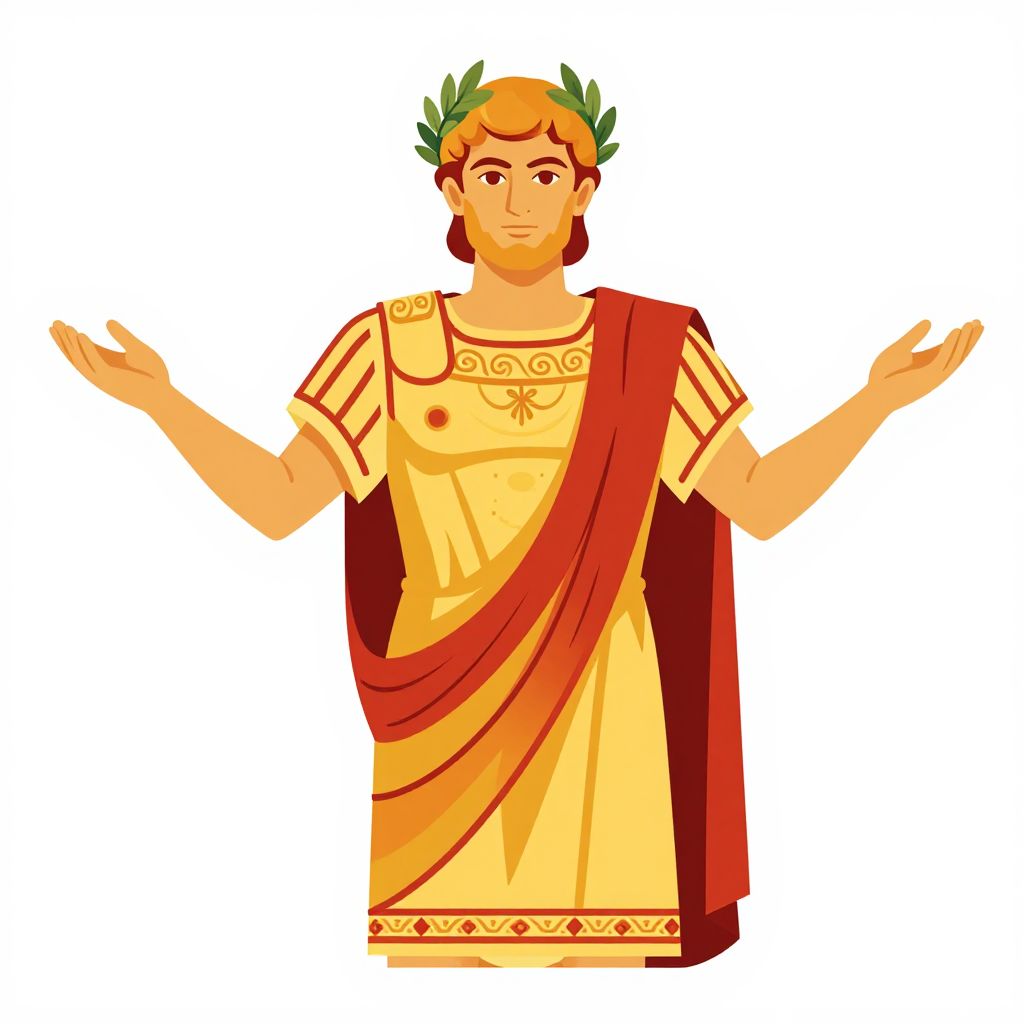
Do you ever find yourself wrestling with the tension between faith and government? In the Bible, the figure of Caesar occupies a unique role that speaks to both the heart of political authority and the spirit of submission to God. Understanding who Caesar is in the Bible sheds light on complex interactions between divine principles and human governance.
This article explores whom Caesar represents, how he interacts with God’s people, and what lessons we can draw for our lives today, rooted in Scripture and faithfulness to God’s teachings.
Who Is Caesar In The Bible?
Caesar in the Bible primarily refers to the Roman emperors during the New Testament period, most notably Julius Caesar, Augustus Caesar, and Tiberius Caesar. These figures symbolize the ruling authority of Rome, which had significant influence over the Jewish people and early Christians.
Historical Context of Caesar
Understanding the role of Caesar requires knowledge of the historical backdrop. The Roman Empire was vast and powerful during the time of Jesus and the apostles. Jews lived under Roman occupation, which created a unique dynamic of political power and religious beliefs.
Julius Caesar (100-44 B.C.) established a precedent for absolute authority in Rome, paving the way for future emperors. His successors, especially Augustus Caesar, significantly shaped the political landscape in which early Christians lived.
Caesar’s Influence on the Jewish People
The rule of Caesar was often met with resistance from Jews. They longed for freedom and independence, leading to various uprisings. Understanding this historical context lays the groundwork for interpreting New Testament teachings regarding authority.
New Testament References to Caesar
Several key passages in the New Testament reference Caesar, illustrating his significance. In Matthew 22:15-22, Jesus addresses the relationship between God and human authority through a conversation about paying taxes to Caesar.
When asked if it is lawful to pay taxes to Caesar, Jesus responds, “Give to Caesar what is Caesar’s, and to God what is God’s” (Matthew 22:21, NIV). This statement highlights the importance of recognizing both the need for civil obedience and the higher call to God’s authority.
Paul’s Teaching on Authority
The Apostle Paul further expounds on the Christian’s relationship to governing authorities in Romans 13:1-7. He underscores that all authority comes from God and that Christians are to submit to governing powers.
Paul writes, “For there is no authority except that which God has established” (Romans 13:1, NIV). This establishes a framework for understanding how believers should interact with government, including figures like Caesar.
Lessons from Caesar’s Example
Separation of Powers
Jesus’ teaching about Caesar emphasizes a crucial principle: the separation of powers. While earthly authorities hold significant influence, God maintains sovereign control over all creation.
Reflect on this: how does understanding the distinction between God’s authority and human authority affect your perspective on governance today? Are you tempted to elevate political figures to a status reserved for God alone?
The Call to Obey
Obedience to authority is a biblical principle, despite the imperfections of those in power. While rebellion against unjust rulers may feel justified at times, the Bible calls believers to submit unless it directly contradicts God’s commands.
Engaging with Redemption
God’s redemptive plan includes all people, even those in power. Jesus’ kingdom challenges earthly kingdoms, providing hope and transformation to even the most unlikely individuals. This should inspire believers to engage in the world, working for justice and righteousness.
Pray for Leaders
We must hold our leaders before God in prayer. 1 Timothy 2:1-2 reminds believers to pray for kings and all those in authority. Doing so helps cultivate a spirit of understanding rather than anger toward our rulers.
Caesar’s Legacy In the Early Church
Persecution of Christians
During the reign of Caesar, believers faced intense persecution. Emperors like Nero enforced brutal measures against Christians, leading to significant suffering. Understanding this context sheds light on many New Testament writings, including those of Peter and Paul.
Faith Amidst Hostility
Despite the persecution, Christians flourished and spread the Gospel. Acts of the Apostles demonstrates how the early church thrived, even under Caesar’s oppressive rule. Their resilience encourages believers today to stand firm in faith, regardless of opposition.
God’s Sovereign Plan
God uses all circumstances, even persecution, to advance His purposes. Paul’s imprisonment led to the spread of the Gospel throughout the Roman Empire. This truth invites us to examine how God might be working through our own trials.
Understanding Caesar’s Authority and Our Response
Submission vs. Rebellion
Not every action of Caesar aligns with God’s will. For example, Acts 5:29 states, “We must obey God rather than human beings!” (NIV). This clear directive helps believers discern when to submit to authority and when to stand against it.
Honor and Respect
Honor for authority does not mean blind obedience. Christians are called to engage politically and socially and advocate for justice. Voice concerns while maintaining a posture of respect toward leaders.
Balancing Dual Citizenship
As Christians, we hold dual citizenship in heaven and on earth. Philippians 3:20 reminds us that our true citizenship is in heaven. How can this perspective influence decisions regarding earthly matters?
Caesar in Modern Christianity
Application for Believers Today
Believers today face similar challenges in navigating relationships with government and authority figures. How does your faith inform your actions at the ballot box or in community engagement?
Influencing Society
As citizens of heaven, Christians have a responsibility to influence the world positively. This involves advocating for justice, serving the marginalized, and offering hope in Christ’s name.
Engaging in Advocacy
Faithfully pursuing justice and loving our neighbors includes advocating for policies that align with biblical values. How might God be calling you to engage with your community and voice your concerns about issues that matter?
Conclusion
Caesar in the Bible serves as a multifaceted character embodying authority, challenge, and a reminder of God’s ultimate sovereignty. The intertwining of faith and earthly governance presents profound lessons for modern believers.
Christian life isn’t about passively accepting the status quo; it’s about actively living out faith amidst diverse challenges. Explore how you can be a faithful witness, filled with God’s wisdom, in navigating both spiritual and earthly kingdoms.
Consider taking a moment to pray for your leaders this week. Reflect on your responsibility to honor authority while remaining committed to God’s truth. Together, let’s strive for justice, peace, and hope in every facet of life.
Explore more faith-based topics and articles to deepen your understanding. Consider reading about myrrh in the Bible or the last verse in the Bible for more insights.
1 thought on “Who Is Caesar in the Bible? (Bible Story & Meaning)”