
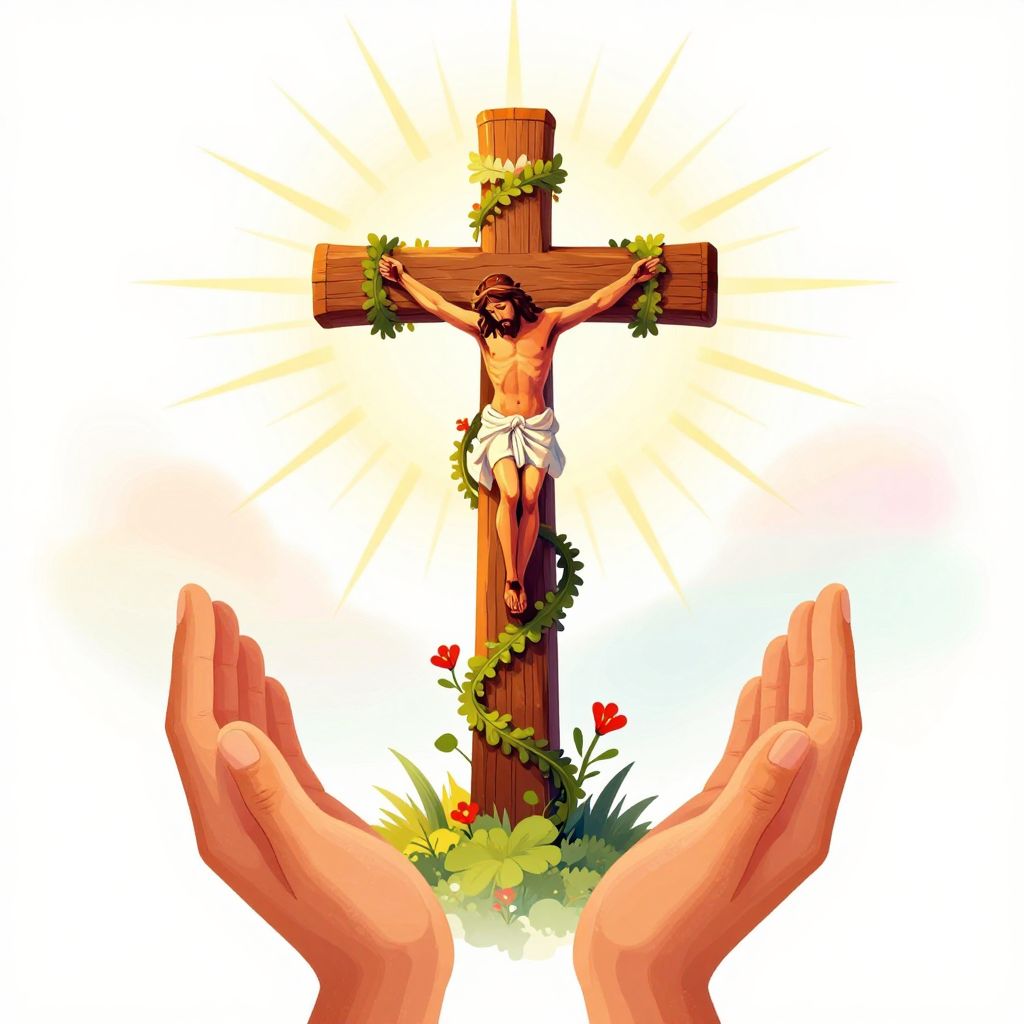
Have you ever wrestled with the question of why Jesus had to die on the cross? At the heart of Christianity lies this profound mystery, and it speaks to fundamental truths about God, humanity, and salvation. Understanding the significance of the cross can transform your faith and deepen your relationship with God.
Jesus died on the cross as the ultimate sacrifice for our sins, fulfilling God’s justice while demonstrating His immense love. This truth affects not only our understanding of Jesus but also how we live out our faith daily.
Why Did Jesus Die On The Cross?
Jesus died on the cross to atone for our sins, reconcile us with God, and demonstrate God’s love. His sacrifice provides forgiveness and restores our broken relationship with the Creator.
1. The Need for Atonement
The concept of atonement is central to the story of Jesus’ death. Romans 3:23 explains, “for all have sinned and fall short of the glory of God.” We all have sinned, creating a separation between us and God. The requirement for justice is death, as stated in Romans 6:23: “For the wages of sin is death, but the gift of God is eternal life in Christ Jesus our Lord.”
God, in His holiness, demands justice. Sin cannot just be brushed aside. Jesus, who was sinless, became the sacrificial lamb to take on our sins, thus fulfilling the requirements of justice (Isaiah 53:5).
2. Fulfillment of Prophecy
Jesus’ death was not random; it was the fulfillment of centuries of prophecy. Isaiah 53:6 states, “We all, like sheep, have gone astray, each of us has turned to our own way; and the Lord has laid on him the iniquity of us all.” This prophecy anticipated His sacrificial role and confirmed God’s plan for salvation from the beginning.
Throughout the Old Testament, sacrifices foreshadowed Jesus’ ultimate sacrifice. The Passover lamb in Exodus points directly to Christ as the Lamb of God (John 1:29).
3. The Depth of God’s Love
John 3:16 encapsulates the heart of the Gospel: “For God so loved the world that he gave his one and only Son, that whoever believes in him shall not perish but have eternal life.” Jesus’ death is a vivid display of God’s love. It shows how far God will go to restore our relationship with Him.
God did not send Jesus merely as some judge; He sent His Son as a loving Savior. The depth of this love compels us to respond in faith and gratitude.
4. Reconciliation with God
Sin creates a chasm between humanity and God. Jesus dying on the cross bridges that gap. Ephesians 2:13-14 states, “But now in Christ Jesus you who once were far away have been brought near by the blood of Christ. For he himself is our peace.” His sacrifice restores our broken relationship and offers us peace with God.
This reconciliation means we can have a personal relationship with God. No longer do we need to approach Him with fear but with the confidence of a child. Are you living in that reality?
5. Defeating Sin and Death
Through His death, Jesus not only took our sins on Himself but also conquered the power of sin and death. Romans 8:1 assures us, “Therefore, there is now no condemnation for those who are in Christ Jesus.” His resurrection three days later was the definitive proof that sin and death were defeated.
Jesus’ victory brings hope for eternal life. This promise radically changes how we view our existence today. We no longer live in the shadow of death. Instead, we live with purpose and assurance in Christ.
6. Demonstration of Faith
Jesus’ death and resurrection call for a response of faith from us. Faith in His sacrifice leads to salvation. Ephesians 2:8-9 confirms, “For it is by grace you have been saved, through faith—and this is not from yourselves, it is the gift of God—not by works, so that no one can boast.”
To accept His gift is to acknowledge your need for a Savior. Have you accepted Jesus as your Lord and Savior? This acceptance is the first step towards living a life transformed by grace.
7. Understanding God’s Justice
God’s justice required a price for sin. Jesus’ sacrifice satisfies that justice. He bore the consequences of sin that we could not bear ourselves. 1 Peter 2:24 states, “He himself bore our sins in his body on the cross, so that we might die to sins and live for righteousness; by his wounds you have been healed.”
This act of sacrificial love meets the demands of justice while offering us mercy. God does not overlook sin; He deals with it justly through Jesus Christ.
8. The Call to Follow
Jesus’ death carries an invitation for us to follow Him. Luke 9:23 tells us, “Whoever wants to be my disciple must deny themselves and take up their cross daily and follow me.” The call to follow Jesus is a call to embrace a life of sacrificial love and service.
Following Him means embracing the cost and living out the Gospel in our everyday lives. How are you responding to his call?
9. Hope for the Future
The death of Jesus is also intricately tied to the hope of the future. He promised that He would return (John 14:3). His resurrection assures us that we, too, will experience resurrection and eternal life. This isn’t just theory; it is the bedrock of Christian hope.
Revelation 21:4 gives a bright picture of what is to come, “He will wipe every tear from their eyes. There will be no more death or mourning or crying or pain, for the old order of things has passed away.”
10. A Life Transformed by the Cross
The reality of Jesus’ sacrifice should transform how we live. Romans 12:1 encourages us, “Therefore, I urge you, brothers and sisters, in view of God’s mercy, to offer your bodies as a living sacrifice, holy and pleasing to God—this is your true and proper worship.”
The call to live for Christ is a call to holiness and service. How can you live out your faith in a way that honors the sacrifice Jesus made for you?
Conclusion
Jesus died on the cross because of love, to bring atonement for our sins and reconcile us with God. This profound act of sacrifice fulfills prophecy, demonstrates God’s justice, and offers us hope for the future. Embracing this truth invites profound transformation into our lives.
Consider responding to this truth in practical ways. Acknowledge your need for Jesus, accept the gift of salvation, and live in the freedom He offers. Reflect on how His love can shape your life every day.
If you want to explore more about this incredible topic, check out why Jesus had to die and why He died for us.