
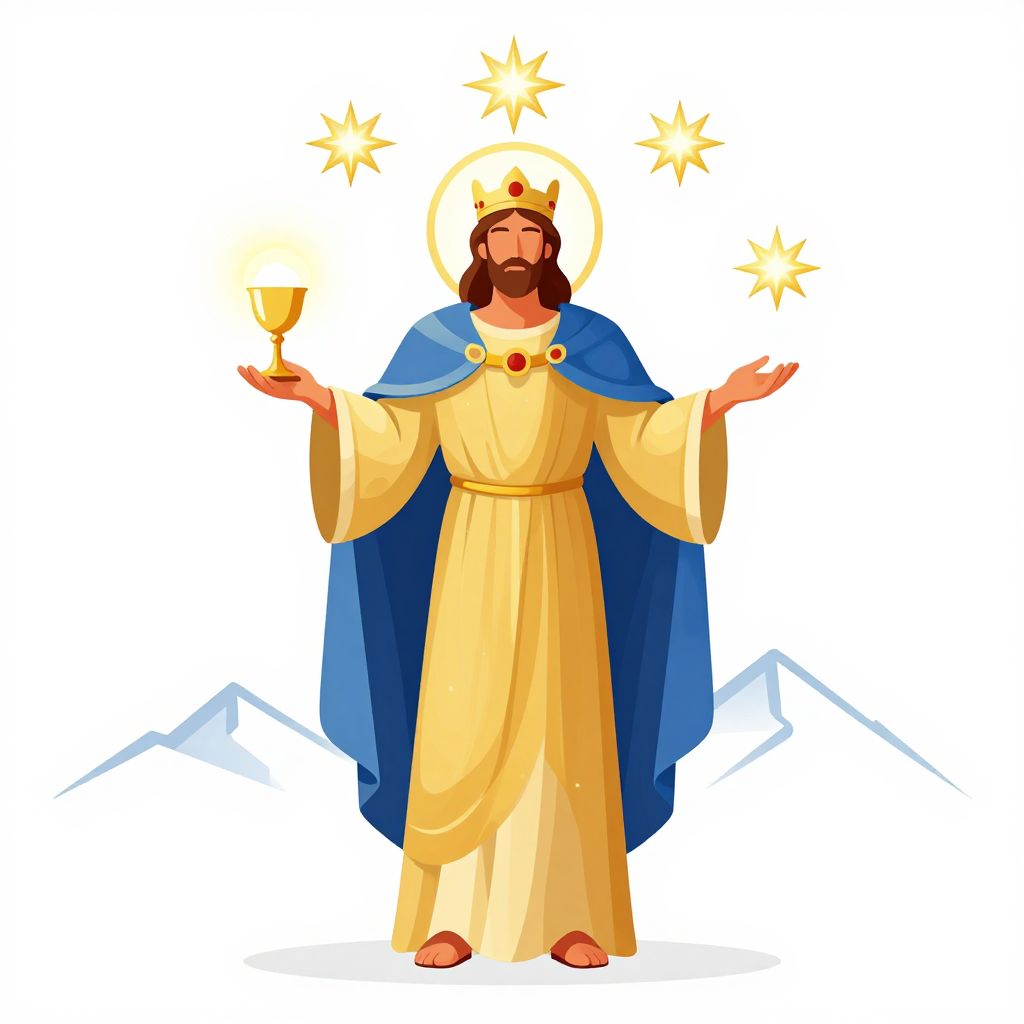
Have you ever wondered about the mysterious figure of Melchizedek and what his relationship to Jesus might be? This question touches on deep biblical themes of priesthood, sacrifice, and God’s redemptive plan. In examining the connection between Melchizedek and Jesus, we uncover rich truths about God’s character and the nature of our faith.
This article explores the possibility that Melchizedek is a type or foreshadowing of Jesus Christ rather than being Jesus Himself. Understanding his role in Scripture can deepen your appreciation for the exalted priesthood of Christ and how it fulfills God’s promises.
Is Melchizedek Jesus?
No, Melchizedek is not Jesus, but he is a type of Christ. In Genesis, Melchizedek serves as a priest and king, foreshadowing the ultimate priesthood of Jesus. His depiction provides important insights into the nature of Jesus’ ministry and how He fulfills the requirements of the priesthood as detailed in Hebrews.
The Biblical Account of Melchizedek
Melchizedek first appears in Genesis 14:18-20. After Abraham’s victory over some kings, Melchizedek, the king of Salem, blesses him. This brief encounter is profound because of Melchizedek’s dual role as both king and priest. Unlike Aaron and the Levitical priests who come later, Melchizedek’s line is unique and invites curiosity.
Genesis 14:18 states, “Then Melchizedek king of Salem brought out bread and wine. He was priest of God Most High.” This symbolism of bread and wine foreshadows the Last Supper, connecting Melchizedek to Jesus’ ultimate sacrifice. Why is this connection significant for our understanding of Christ?
Melchizedek as a Type of Christ
A type is a symbolic representation found in the Old Testament that points to a greater reality in the New Testament. Melchizedek’s priesthood typifies the eternal priesthood of Christ. Hebrews 7:17 confirms this, stating, “For it is declared: ‘You are a priest forever, in the order of Melchizedek.’”
This statement elevates Melchizedek to a prophetic role. His priesthood is without lineage, suggesting an eternal and divine calling—an echo of the essential nature of Jesus, who is God incarnate. How does this change the way you view Jesus’ role as mediator between God and humanity?
The Significance of Melchizedek’s Name
Melchizedek’s name means “king of righteousness.” Hebrews further elaborates on this by indicating that he is the king of Salem, meaning “peace.” Jesus embodies the ultimate king of righteousness and peace, as noted in Isaiah 9:6, which refers to Him as the “Prince of Peace.”
Understanding Melchizedek’s names helps clarify the character of Christ. Jesus fulfills the roles of both righteousness and reconciliation, bringing peace between God and humanity. Can you reflect on moments when you have felt the peace of Christ in your life?
Melchizedek’s Interaction with Abraham
When Melchizedek meets Abraham, he blesses him, which is significant. Genesis 14:19 states, “And he blessed Abram, saying, ‘Blessed be Abram by God Most High, Creator of heaven and earth.'” This blessing shows Melchizedek’s greater authority over Abraham, reinforcing the idea that the priesthood of Melchizedek surpasses the temporary Levitical priesthood.
In Hebrews 7:7, we read, “And without doubt the lesser is blessed by the greater.” This emphasizes the superiority of Melchizedek’s priesthood compared to the Levitical lineage. How does this understanding impact your view of prayer and blessings in your life?
Melchizedek and Jesus: A Comparison
The comparison between Melchizedek and Jesus can be broken down into key areas:
- Priesthood: Melchizedek served as a priest of God Most High before the Levitical system was established. Similarly, Jesus serves as our eternal High Priest (Hebrews 4:14).
- Kingdom: Melchizedek ruled as the king of Salem, known for his righteousness and peace. Jesus, too, is King, reigning over a spiritual Kingdom characterized by righteousness (Romans 14:17).
- Offering: Melchizedek presented bread and wine to Abraham; Jesus offered bread and wine at the Last Supper, symbolizing His body and blood (Luke 22:19-20).
- No Genealogy: Melchizedek’s lineage remains unknown, representing a unique priesthood. Jesus’ divine origin is established in His incarnation, further emphasizing His eternal nature.
This comparison illustrates why Melchizedek serves as a prophetic figure pointing to Christ. Reflecting on these parallels can deepen appreciation for the unity of Scripture.
The Book of Hebrews: A Deeper Understanding
The Book of Hebrews focuses on Melchizedek’s significance, offering insights into the nature of Jesus’ priesthood. Hebrews 7:1-3 declares, “This Melchizedek was king of Salem and priest of God Most High. He met Abraham returning from the defeat of the kings and blessed him.” The chapter highlights Melchizedek’s characteristics: he is without father or mother, without genealogy, and remains a priest forever.
This emphasizes the eternal nature of Jesus’ priesthood. Unlike the Levitical priests who serve temporarily, Jesus’ ministry is perfect and eternal. Have you experienced the assurance that comes from knowing Jesus is eternally mediating for you?
The Removal of the Old Covenant
The connection between Melchizedek and Jesus also pertains to the nature of the new covenant. Hebrews 7:11-12 states that if perfection could have been achieved through the Levitical priesthood, there would have been no need for another priest. Jesus, through His life and sacrifice, establishes a new and better covenant (Hebrews 8:6).
This transition from the old to the new covenant illuminates how Jesus fulfills God’s promises through the priesthood of Melchizedek. What does this shift from the old to the new mean for your walk of faith?
Jesus: The Fulfillment of the Law
In Matthew 5:17, Jesus proclaims, “Do not think that I have come to abolish the Law or the Prophets; I have not come to abolish them but to fulfill them.” The priesthood of Melchizedek illustrates how Jesus fulfills the law and priesthood in a perfect way.
Jesus’ life, death, and resurrection demonstrate God’s redemptive plan. As the fulfillment of the law, Jesus brings salvation to all who believe. How does recognizing Jesus as the fulfillment of God’s promises affect your understanding of grace?
Melchizedek’s Role in Prophecy
Throughout Scripture, various figures embody aspects of Christ’s ministry. Melchizedek stands as an important symbol of the priestly kingdom. His appearance reminds us that God orchestrated a plan for salvation long before Jesus’ arrival on earth.
As shown in Psalm 110:4, “The Lord has sworn and will not change his mind: ‘You are a priest forever, in the order of Melchizedek.’” This verse reiterates the eternal nature of Christ’s priesthood rooted in Melchizedek’s example, inviting believers to recognize their own call to live in God’s presence. How does understanding your own priesthood impact your daily life?
Practical Implications for Believers
Recognizing Melchizedek’s role helps believers understand their own identity in Christ. Melchizedek’s priesthood signifies that we are all called to actively worship and serve God in our lives.
Consider these practical steps:
- Study the Scriptures that connect Jesus and Melchizedek—Genesis 14 and Hebrews 7.
- Reflect on the nature of Christ as your High Priest and what that means for your relationship with God.
- Engage in worship and service to God as a response to understanding your role as a believer.
- Pray for deeper insight into God’s plan for salvation and how it reflects in your life.
These steps can guide your journey toward a more profound understanding of faith and God’s continual work in your life.
A Call to Faith
Jesus Christ invites all to embrace His calling. Understanding the significance of Melchizedek highlights your relationship with the eternal High Priest, who mediates on your behalf.
Prayerfully consider how this knowledge impacts your faith. Are you allowing Jesus’ role as your High Priest to shape your understanding of grace and redemption? Your response matters.
Conclusion
Melchizedek is not Jesus, yet he is undeniably significant in revealing the nature of Christ’s ministry. Melchizedek serves as a prophetic symbol, emphasizing Jesus’ eternal priesthood, His supremacy over the law, and His role in fulfilling the covenant promises. Knowledge of this connection enriches our faith and deepens our appreciation for God’s plan.
As you reflect on the teachings shared here, consider embracing Jesus’ role as your High Priest fully. Your trust in Him shapes your understanding of salvation and grants peace that transcends all understanding.
To explore more faith-based topics and articles, consider diving deeper into the role of Melchizedek in the Bible at Who Is Melchizedek in the Bible? or learn about the scriptural basis for Jesus as God at Scripture That Says Jesus Is God.