
Have you ever wondered about the mysterious figure of Melchizedek in the Bible? This enigmatic priest-king appears briefly but profoundly in Scripture, leaving behind questions that echo through the pages of the Bible. Understanding who Melchizedek is can deepen our appreciation of God’s plan and the way He interweaves His truth throughout history.
This article will clarify Melchizedek’s role in the Bible by exploring his identity, significance, and the impact he has on our understanding of Jesus Christ. We’ll turn to Scripture to unveil the spiritual depth behind this intriguing character.
Who Is Melchizedek In The Bible?
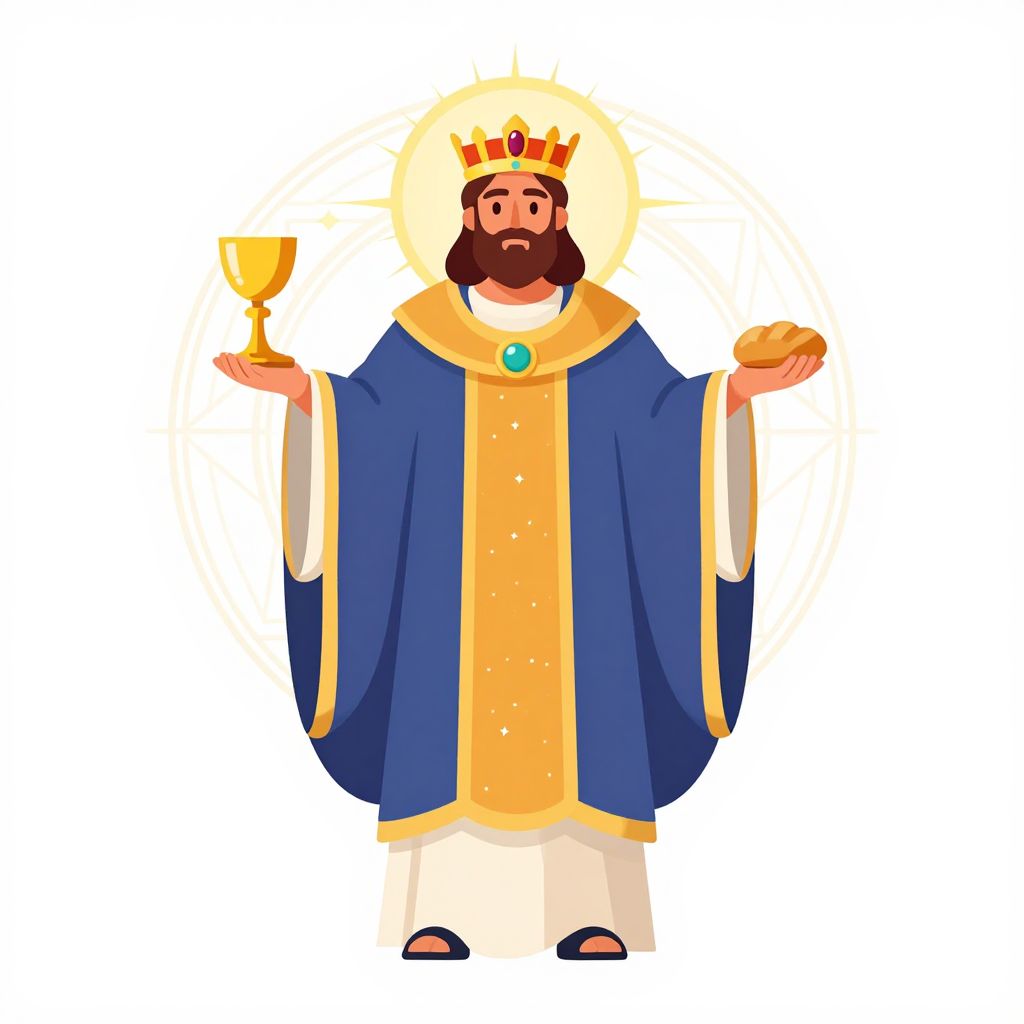
Melchizedek is a unique biblical figure found in Genesis 14:18-20. He is described as the king of Salem and a priest of God Most High. Melchizedek meets Abraham after the battle against the kings, offering bread and wine, which foretells greater truths later revealed in the New Testament.
The Biblical Account of Melchizedek
The first mention of Melchizedek occurs in Genesis 14. After Abraham rescues his nephew Lot from captivity, Melchizedek comes out to greet him. This meeting is pivotal in several ways.
Melchizedek blesses Abraham, saying, “Blessed be Abram by God Most High, Creator of heaven and earth.” In return, Abraham gives him a tenth of everything, establishing the practice of tithing.
Melchizedek holds two significant titles: king and priest. This dual role highlights the connection between royal authority and spiritual leadership. Understanding these titles provides insight into the character of God.
The title “king of Salem” indicates peace, as Salem is believed to mean peace. His role as priest features him serving God Most High, which indicates that Melchizedek stands as a mediator between God and humanity.
Melchizedek in the New Testament
While Melchizedek’s appearances in the Old Testament are brief, his significance expands in the New Testament. Hebrews 5-7 emphasizes how Jesus Christ is both a priest and king in the order of Melchizedek.
Jesus as Our High Priest
The author of Hebrews points to the eternal priesthood of Jesus, stating he is a high priest forever, in the order of Melchizedek (Hebrews 5:6). This assertion affirms that Jesus fulfills the perfect, unending role of priesthood established by God.
Melchizedek’s singular priesthood represents a shift from the Levitical priesthood, which was established under the Law of Moses. This transition indicates a new covenant where believers can approach God directly through Jesus.
The Eternal Nature of Melchizedek’s Priesthood
Hebrews 7:3 compares Melchizedek to the Son of God, saying he remains a priest forever. This comparison emphasizes the timelessness of Jesus’ sacrificial role and highlights that Melchizedek’s priesthood foreshadows Christ’s eternal sacrifice.
By contrasting Melchizedek with the Levitical priests, the idea emerges that Jesus, being without sin, holds a greater priestly role than those bound by human limitations.
The Significance of Bread and Wine
When Melchizedek meets Abraham, he offers bread and wine. This moment is rich with symbolism, as it not only serves as a meal but also anticipates the Last Supper Jesus shares with His disciples.
The Symbolism of Bread and Wine
In biblical terms, bread often symbolizes life, while wine represents joy and celebration. The act of sharing bread and wine signifies a covenant relationship, illustrating community and communion.
At the Last Supper, Jesus institutes the Eucharist. He transforms these elements into a powerful reminder of His sacrifice, inviting believers to remember Him through the sharing of bread and wine.
Communion as a Covenant
In celebrating communion, Christians acknowledge the new covenant established by Christ. This echoes the covenantal relationship Melchizedek established with Abraham, centering around loyalty and faithfulness to God.
Reflecting on these moments invites a deeper understanding of God’s desire for relationship. Are we actively engaging in this covenantal relationship with God through communion?
Melchizedek’s Priestly Lineage and Its Implications
Another intriguing aspect of Melchizedek is the absence of his genealogy. Genesis does not record his lineage, which contributes to the idea of his priesthood being eternal.
The Importance of Genealogy in the Old Testament
In the Old Testament, genealogies often serve to establish authority and priestly credentials. The absence of Melchizedek’s genealogy suggests he exists outside the traditional constraints of familial lineage, which emphasizes his unique role.
By not belonging to the Levitical line, Melchizedek stands as a distinct priest, foreshadowing Jesus’ role as the eternal high priest unbound by earthly lineage.
Theological Implications of Melchizedek’s Role
The identity of Melchizedek carries profound theological implications for understanding Jesus Christ’s mission. Recognizing Melchizedek as a type of Christ expands our grasp of redemption and grace.
Types and Shadows in the Old Testament
In biblical scholarship, Melchizedek is often viewed as a “type” of Christ. This means he serves as a foreshadowing figure who helps illustrate deeper truths about Jesus.
He represents the merging of kingship and priesthood, purposefully pointing to Jesus, the ultimate fulfillment of these roles. How does this understanding color your view of God’s overarching narrative in Scripture?
Melchizedek’s Impact on Christian Living
Melchizedek’s presence in the Bible challenges believers to examine their own lives. What lessons can we glean from his story about faith, service, and honoring God?
The Call to Faithfulness
In his meeting with Abraham, Melchizedek emphasizes the importance of recognizing God’s blessing. He reminds believers to give thanks and give back through tithing.
Tithing helps solidify our trust in God’s provision. How can you intentionally practice generosity in your daily life?
The Act of Blessing Others
Melchizedek’s act of blessing Abraham calls Christians to a life of service. He models how believers can reach out, support, and bless those around them.
As we move through our week, consider how you can be a source of blessing to someone else. What are the small, impactful ways you can show God’s love?
The Mystery of Melchizedek: A Reflection
The mystery surrounding Melchizedek invites believers into a deeper relationship with God. His unique role within the narrative beckons us to seek a greater understanding of divine truth.
Engaging with the Mystery
Melchizedek offers a challenge to fully grasp our faith. He demonstrates that some elements of God’s plan may be shrouded in mystery, leading to deeper inquiry and prayer.
How comfortable are you with the mystery of faith? Are you seeking to understand God more profoundly, even when answers remain elusive?
Living in Light of God’s Truth
Ultimately, the story of Melchizedek points us towards Christ. It invites us to embrace our identity as believers who have access to God’s grace and mercy.
By recognizing the significance of both Melchizedek and Jesus, we deepen our commitment to living out our faith intentionally and authentically.
In exploring these rich biblical truths and theological depth, believers can find hope and guidance in daily living. Engage with Scripture, allowing God to mold you and guide your understanding.
As you study the life of Melchizedek and his connection to Jesus, may it spark curiosity, foster deeper faith, and encourage personal application. Reflect on how God’s intricate design illustrates His love for you and your relationship with Him.
If you desire to learn more about biblical teachings, dive into other faith-based topics. Information on subjects like the significance of a eunuch’s role in Scripture can enrich your understanding. Explore more by visiting Bible Truth For Today or discover insights into complex biblical themes here.
6 thoughts on “Who Is Melchizedek in the Bible? (Bible Story & Meaning)”